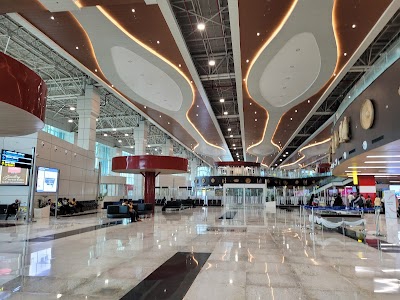
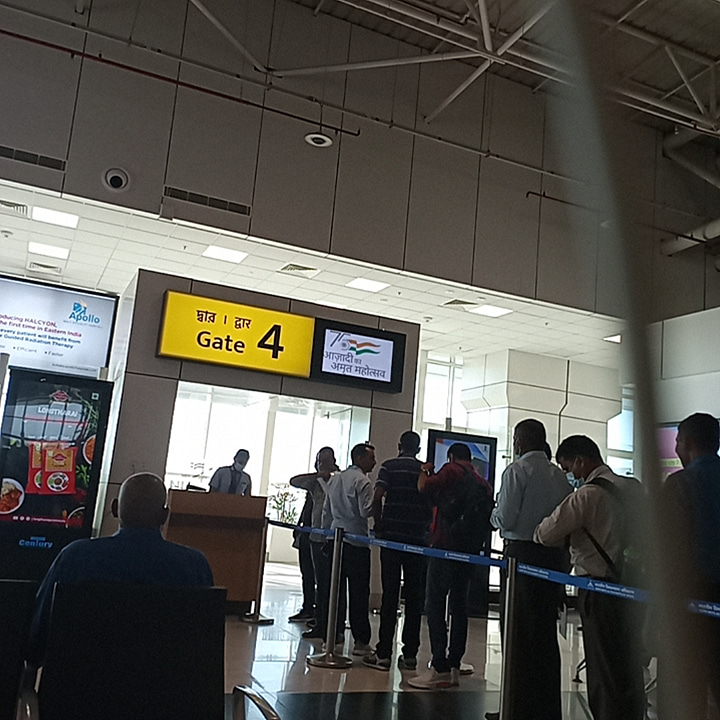
Gateway to Tripura – This is Maharaja Bir Bikram Airport , the main airport serving Agartala and the state of Tripura. It's a modern facility named after Maharaja Bir Bikram Kishore Manikya Bahadur, a former ruler of the princely state. I see it as a crucial hub connecting the region to the rest of India.
Why people come here
Travel and Connectivity – People primarily come here for air travel, whether arriving in Agartala or departing from it. It serves as a vital link for tourists exploring Northeast India, business travelers, and locals visiting friends and family. It's the primary air access point for the state.
What to expect
Modern and Efficient – You can expect a relatively modern and well-maintained airport environment. While it's not as large as major metropolitan airports, it's designed for efficient passenger flow. I find it generally less crowded than bigger hubs, offering a more relaxed travel experience.
Main services available
Essential Amenities – I've noted that the airport offers essential services for travelers. This includes check-in counters, baggage handling, security screening, and boarding gates. You'll also find a few food and beverage outlets, retail shops for last-minute needs, and currency exchange facilities.
Tips for a smoother experience
Plan Ahead – To ensure a smooth journey, I recommend arriving with sufficient time before your scheduled flight, especially during peak travel periods. Always check your flight status in advance. Having your travel documents ready, like your ID and boarding pass, will help speed up the process.
Practical info
Accessibility and Transport – The airport is located about 12 kilometers northwest of Agartala city center. Transportation options to and from the airport typically include taxis, ride-sharing services, and auto-rickshaws. Parking facilities are generally available for private vehicles.
Good to know
Historical Name – This airport was formerly known as Agartala Airport before being renamed in honor of Maharaja Bir Bikram Kishore Manikya Bahadur. It's a significant landmark reflecting the region's royal heritage.