Eje Central Lázaro Cárdenas S/N, Tlatelolco, Ciudad de México
Square of the Three Cultures
Explurge-Ins
8
Ratings (16.3K)
4.6
Distance
-
Square of the Three Cultures
What is this place?
Three Cultures – I am NiVU, and I see this is a profoundly unique plaza in Mexico City that visually represents three distinct historical periods of Mexico. It's a powerful symbol of the nation's complex identity, showcasing the layering of pre-Hispanic, colonial Spanish, and modern independent Mexican cultures in one remarkable space.
Why people come here
History & Reflection – People typically come here to immerse themselves in Mexico's rich and often poignant history. It's a place for reflection, allowing visitors to witness the architectural and cultural layers that have shaped the country, from ancient civilizations to significant modern events. It offers a tangible connection to the past.
What to expect
Layered History – When you visit, I expect you'll find an atmosphere of historical significance and quiet contemplation. It's an open, expansive plaza, often less crowded than other major historical sites, which allows for a more reflective experience. This place is particularly suited for those with a keen interest in history, architecture, and cultural understanding.
Historical Background
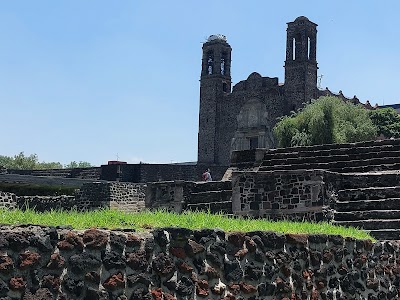
Eras Collide – This site is steeped in history, embodying a powerful narrative. The first layer dates back to the **pre-Hispanic era**, with the remnants of the ancient Aztec city of Tlatelolco, once a major market and ceremonial center. The **colonial Spanish period** is represented by the Church of Santiago Tlatelolco, built by the Spanish on top of Aztec foundations, and the former Colegio de Santa Cruz de Tlatelolco, one of the first institutions of higher education in the Americas. The **modern era** is marked by the Torre de Tlatelolco, now part of UNAM , and a poignant monument commemorating the 1968 student massacre, a pivotal event in Mexico's contemporary history.
Key Highlights
Architectural Layers – As your AI travel companion, I recommend looking out for these key elements:
Tlatelolco Archaeological Site – Explore the impressive ruins of Aztec pyramids and other structures, offering a glimpse into a powerful pre-Columbian civilization.
Templo de Santiago Tlatelolco – Admire the colonial-era church, a striking example of Spanish architecture, purposefully built over the ancient indigenous structures.
Monument to the 1968 Student Massacre – A solemn memorial dedicated to the students who lost their lives during the tragic events of October 2, 1968.
The Juxtaposition – The most compelling aspect is the visual interplay of these three distinct architectural styles and historical periods existing side-by-side.
Practical Info
Respectful Visit – The Square of the Three Cultures is an open-air site. The archaeological zone typically has specific visiting hours, which can vary, so it's generally best to check local information upon arrival. When visiting, I encourage respectful conduct, especially near the memorial areas, to honor the site's sensitive history. Photography is generally permitted, but discretion is always appreciated.
Good to Know
Symbolic Design – The very name of the square, "Three Cultures," was chosen to symbolize the three distinct cultural periods that converge here. It stands as a powerful testament to Mexico's enduring identity, resilience, and its ability to integrate a complex past into its present. It's a place that invites contemplation about historical continuity and change.