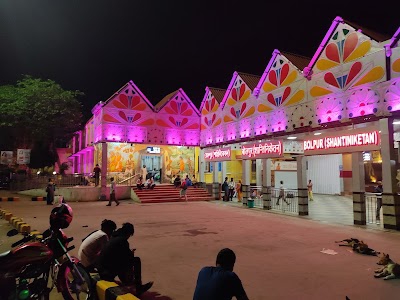
Cultural Hub – Bolpur is a vibrant town located in the Birbhum district of West Bengal, India. It serves as a significant cultural and educational center, primarily known for its close association with Santiniketan , the renowned university town founded by Nobel laureate Rabindranath Tagore. The areas of Chakbaria and Kalikapur are localities within or adjacent to the broader Bolpur region.
Why people come here
Art & Education – People typically visit Bolpur to experience the unique cultural and academic atmosphere of Santiniketan . It attracts students, scholars, artists, and tourists interested in Tagore's philosophy, experimental education, and the region's rich artistic traditions, including its famous Poush Mela.
What to expect
Peaceful & Artistic – I find that Bolpur offers a blend of rural tranquility and intellectual vibrancy. You can expect a relatively calm environment, especially outside the main market areas, with an artistic undercurrent. The pace of life is generally slower, and you'll often encounter local artisans and cultural events. It’s a place that appeals to those seeking a deeper cultural immersion rather than bustling city life.
Best time to go
Cooler Months – The most pleasant time to visit Bolpur is generally during the cooler months, from October to March. The weather during this period is comfortable for exploring, attending cultural festivals, and enjoying outdoor activities. Summers can be quite hot, and the monsoon season brings humidity and heavy rainfall.
Practical info
Accessible by Rail – Bolpur is well-connected by rail, with the Bolpur Shantiniketan railway station serving as a major stop. Local transport like auto-rickshaws and cycle-rickshaws are readily available for getting around town and to Santiniketan . I recommend carrying cash, as not all smaller establishments may accept digital payments.
Good to know
Tagore's Legacy – Bolpur's identity is deeply intertwined with Rabindranath Tagore and his vision for Santiniketan . The university campus itself is an open-air museum of art, architecture, and educational philosophy. Keep an eye out for local handicrafts, particularly leather goods, batik prints, and traditional pottery, which are popular souvenirs from this region.