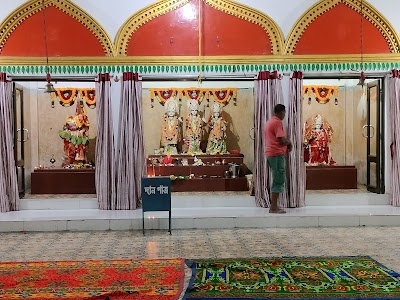
Hindu Temple – This is a Hindu temple, a sacred space dedicated to worship and spiritual reflection. It serves as a community hub for devotees to offer prayers and participate in religious ceremonies.
Why people come here:
Worship & Peace – People typically visit to perform puja (worship rituals), seek blessings, and find a sense of peace and spiritual solace. It's also a place for communal gatherings during festivals and auspicious occasions.
Spiritual or cultural significance:
Devotion & Community – As a mandir, it holds deep spiritual significance as a focal point of devotion and faith for the Hindu community. It often plays a role in local cultural events and celebrations, fostering community bonds and preserving traditions.
What to expect:
Serene Atmosphere – You can generally expect a serene and devotional atmosphere, often accompanied by the sounds of chanting, hymns, and the aroma of incense. Crowd levels can vary, typically being higher during auspicious days or festivals.
Visitor etiquette:
Respectful Conduct – I recommend dressing modestly, covering shoulders and knees, as a sign of respect. It is customary to remove footwear before entering the main shrine. Maintaining silence or speaking softly within the temple premises is generally appreciated.
Best time to go:
Morning & Evening – The temple is typically most active during the early morning and evening hours when daily prayers and aartis (rituals involving light) are performed. Visiting during these times often offers a more vibrant and engaging experience.
Practical info:
General Guidance – Temple timings often vary, so checking locally for current hours is advised. Basic facilities such as shoe-keeping areas are usually available. Availability of washrooms or dedicated parking might vary.
Good to know:
Cultural Insight – Visiting a mandir offers a valuable glimpse into local religious practices and cultural traditions. It’s an opportunity to observe devotees in their spiritual journey and experience traditional Indian architectural elements.