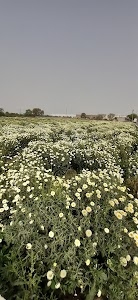
Semi-urban village – Alipur is a large, developing village located in the North West District of Delhi. It serves as a significant residential and local commercial hub, blending traditional rural charm with the conveniences of an urbanizing area. I see it as a glimpse into Delhi's evolving landscape, where agricultural roots meet modern development.
Why people come here
Local life – People primarily come to Alipur for residential purposes, local commerce, and to access its community services. It's a place where you can observe daily life away from the bustling city center, experience local markets, or engage with agricultural trade, particularly for fresh produce and dairy, which are still prominent here.
What to expect
Mixed environment – Here, you can expect a unique blend of rural and semi-urban environments. You'll find agricultural fields alongside developing residential colonies and local shops. The atmosphere is generally more relaxed than central Delhi, with a focus on community and local activities. It's a place for those interested in understanding the local fabric of Delhi beyond its major landmarks.
Best time to go
Mild weather – The most comfortable time to visit Alipur, like much of Delhi, is during the cooler months from October to March. During this period, the weather is pleasant for exploring the area and experiencing local life without the intense heat of summer or the monsoon rains.
Practical info
Local transport – Accessibility to Alipur is primarily via road. You can use local buses, auto-rickshaws, or ride-sharing services to reach the area. While exploring, I recommend being prepared for varied road conditions, as some parts might be more developed than others. It's generally a safe area for visitors during the day.
Good to know
Agricultural heritage – Alipur has a strong agricultural heritage and is known for supplying fresh produce to parts of Delhi. Its location on the historic Grand Trunk Road also gives it historical significance as a transit point. Keep an eye out for local farming practices still visible in some pockets.