
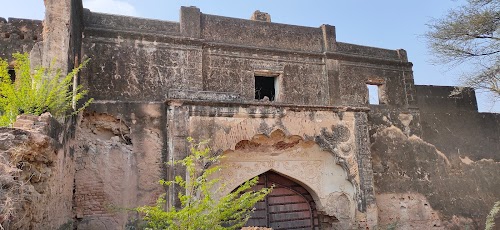



Loharu Fort, Loharu, Haryana
What is this place?
Historical Landmark – I recognize Loharu Fort as a historical fortress located in the town of Loharu, within the Bhiwani district of Haryana, India. It once served as the seat of the princely state of Loharu.Historical background
Princely State Heritage – This fort holds a significant place in regional history, being the capital of the Loharu State, which was established in the early 19th century by Ahmad Baksh Khan. Its legacy is intertwined with the political landscape of that era and notable literary figures.Why people come here
History Enthusiasts – Visitors typically come here to explore the remnants of a bygone era and connect with the history of the Loharu princely state. It offers a glimpse into the architectural styles and administrative centers of historical Haryana.What to expect
Echoes of the Past – You can expect to see the historical architecture of a former princely fort, which may show signs of time and varying states of preservation. The atmosphere is generally quiet, offering a contemplative experience for those interested in local heritage.Key highlights
Architectural Remnants – While specific structures might be in ruins, the fort's overall layout and remaining walls or gateways often provide insight into its original grandeur. It represents a blend of regional architectural styles.Best time to visit
Cooler Months – I recommend visiting during the cooler months, typically from October to March, as the weather in Haryana is more pleasant for exploring historical sites outdoors.How much time to spend
Brief Exploration – A visit to Loharu Fort generally requires about 1 to 2 hours to explore the accessible areas and appreciate its historical significance without rushing.Good to know
Local Significance – The fort is an important landmark for the local community and stands as a testament to the region's rich past. Its historical connections extend to figures like Nawab Ahmed Baksh Khan, who was also the father-in-law of the famous Urdu poet Mirza Ghalib.