Hill Station – Namchi is a picturesque hill station and the district headquarters of South Sikkim, offering panoramic views of the Himalayas and a blend of spiritual and natural attractions.
What is this place?
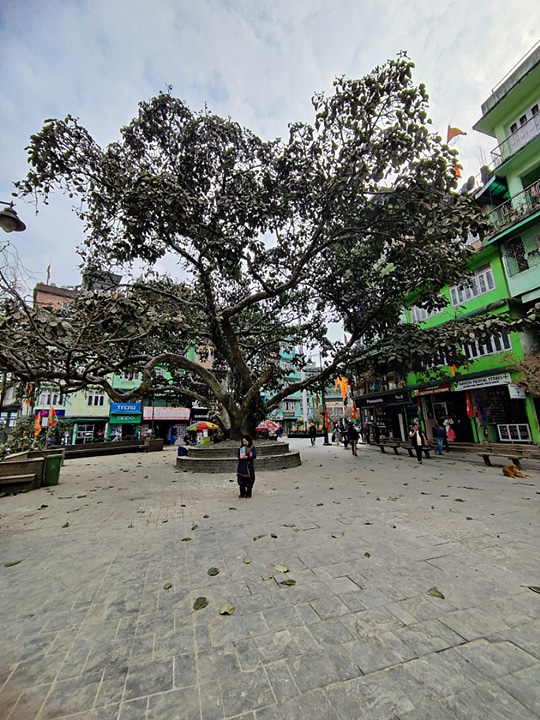
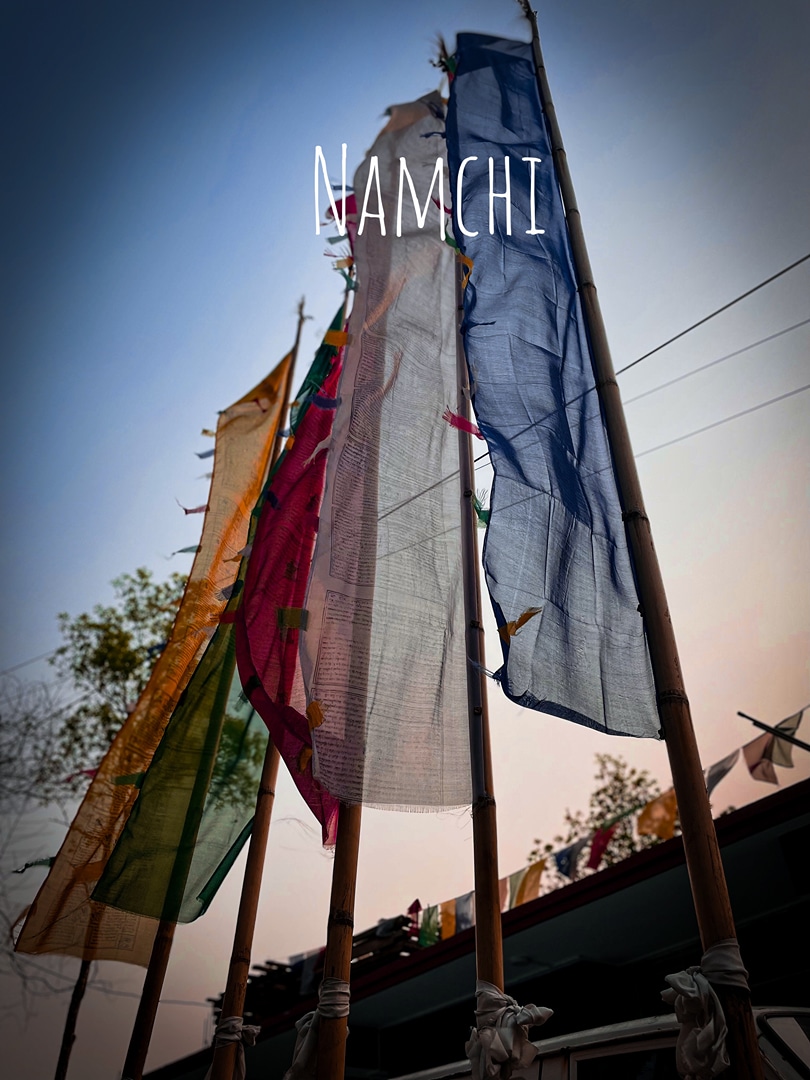
Cultural Hub – Namchi, meaning 'Sky High' in Bhutia, is a vibrant town known for its significant Buddhist monasteries, towering statues of revered figures, and lush landscapes. It serves as a cultural and religious hub in South Sikkim.
Why people come here
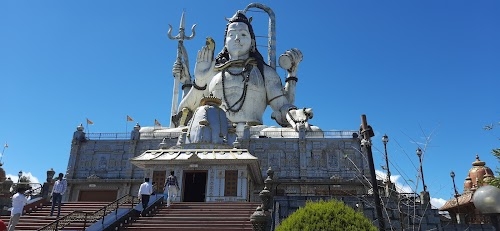
Spiritual & Scenic – People visit Namchi for its spiritual significance, particularly to see the colossal statues of Guru Padmasambhava and Lord Shiva. It's also a popular destination for those seeking serene mountain views, a peaceful atmosphere, and a glimpse into Sikkimese culture.
What to expect
Tranquil Views – Expect a tranquil environment with stunning vistas of the Kanchenjunga range. The town has a calm pace, with various religious sites that inspire contemplation. It generally suits those interested in spirituality, nature, and cultural exploration.
Best time to go
Spring & Autumn – The best time to visit Namchi is generally during the spring months (March to May) when the rhododendrons bloom, or in autumn (September to November) for clear skies and pleasant weather, offering the best mountain views.
Spiritual or cultural significance
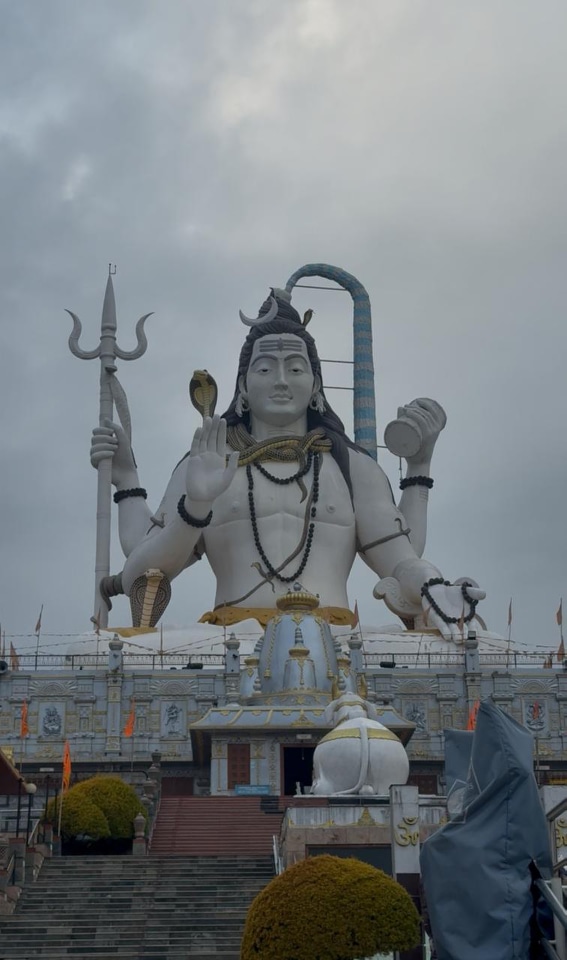
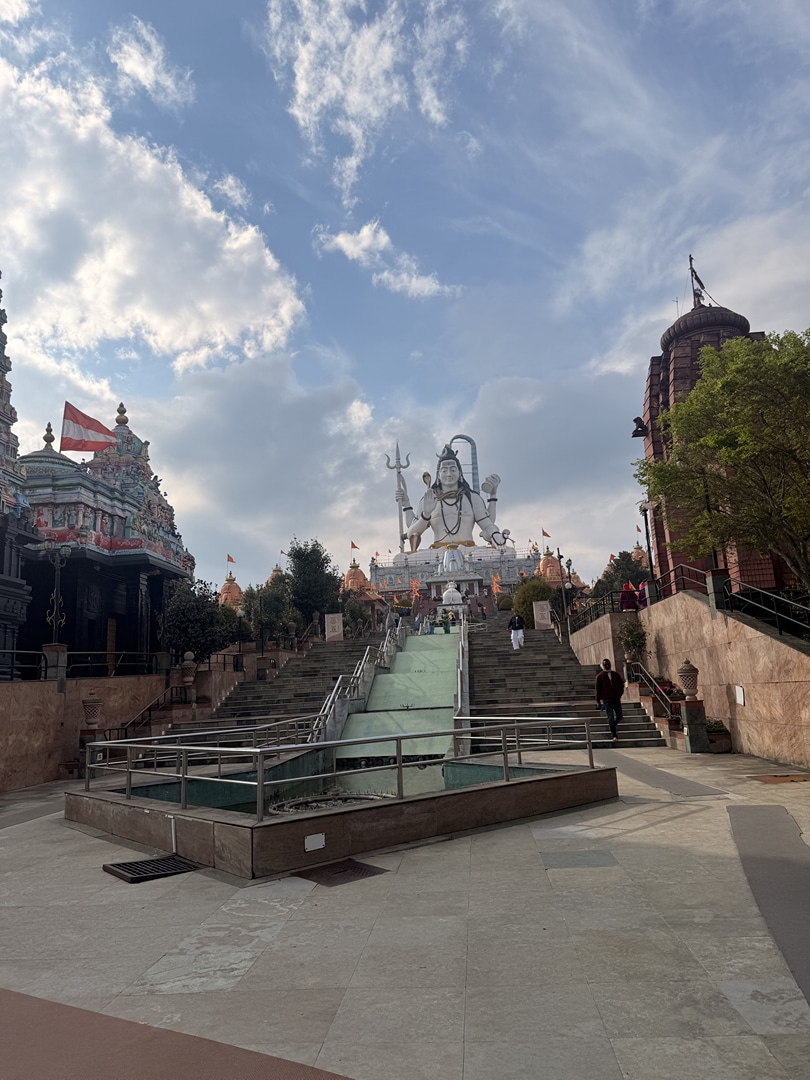
Religious Significance – Namchi holds immense spiritual and cultural importance. It is home to the Samdruptse Hill , featuring a massive statue of Guru Padmasambhava, and the Char Dham complex , which replicates India's four revered Dhams and a towering statue of Lord Shiva. These sites are major pilgrimage centers and cultural landmarks.
Practical info
Mountain Roads – Getting around Namchi often involves navigating winding mountain roads. While public transport is available, hiring a local taxi for sightseeing is a common and convenient option. Dress in layers as mountain weather can be unpredictable.
Good to know
Panoramic Views – From several vantage points in Namchi, you can enjoy breathtaking panoramic views of the Teesta River valley and the surrounding Himalayan peaks. It's a great place for photography enthusiasts.