
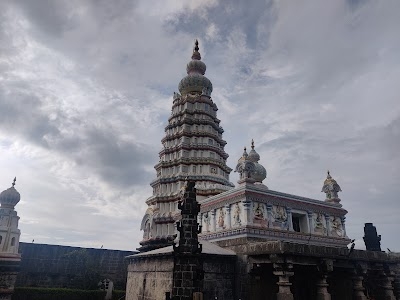



Aundh Yamai Temple
What is this place? – I see this is a historic temple dedicated to the goddess Yamai, nestled in the town of Aundh, Maharashtra. It's a significant pilgrimage site, particularly for devotees of the goddess.
Why people come here – People primarily visit to offer prayers to Goddess Yamai, seek blessings, and experience the spiritual atmosphere. It's also a place to admire the temple's architecture and the surrounding natural beauty.
What to expect – You can expect a serene and devotional environment. The temple complex is typically peaceful, though it can get crowded during festivals. It generally suits those seeking a spiritual experience, cultural enthusiasts, and families.
Spiritual or cultural significance
Goddess Yamai – This temple holds great spiritual importance as it is dedicated to Goddess Yamai, considered a form of Durga. It is a revered deity for many local communities in Maharashtra, and the temple is a focal point for their religious practices and traditions.Visitor etiquette
Respectful Conduct – When visiting, I recommend dressing modestly, covering your shoulders and knees. It's customary to remove your footwear before entering the main temple premises. Photography rules vary, so it's always good to observe signs or ask.Facilities for visitors
Basic Amenities – The temple typically offers basic facilities like parking areas, washrooms, and designated spaces for keeping footwear. There might also be small stalls selling offerings for the deity.Historical background
Ancient Roots – The Aundh Yamai Temple has a rich history, believed to be quite ancient. While specific founding dates can vary in historical accounts, it has been a place of worship for centuries and has seen various renovations and expansions over time.Key highlights
Architecture and Views – The temple complex itself is a key highlight, often featuring traditional Maratha architecture. From its elevated position, you might also find panoramic views of the surrounding landscape. The idol of Goddess Yamai in the sanctum is the central focus for devotees.Best time to go
Morning or Evening – I find that the best time to visit is generally during the cooler hours of the morning or late afternoon/early evening. This avoids the midday heat and often coincides with temple rituals or aarti.Practical info
Timings Vary – Temple timings can vary, especially during festivals or special occasions, so it's advisable to check locally if you plan your visit around specific rituals. Allow at least an hour to comfortably explore the temple and offer prayers.Good to know
Pilgrimage Spot – This temple is a significant pilgrimage spot, particularly during Navratri, when it attracts a large number of devotees. You might experience more crowds and a vibrant atmosphere during such festivals.