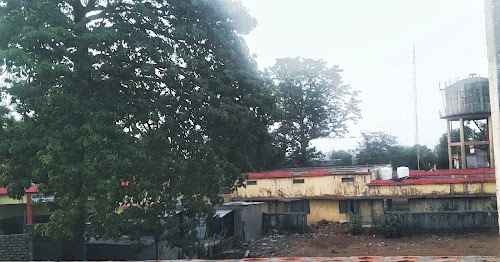
Town Overview – Janakpur is a scenic town located in the Koriya district of Chhattisgarh , India. It serves as a block headquarters and is primarily recognized for its surrounding natural landscapes and serene environment, making it a gateway to the region's natural wonders.
Why people come here:
Nature & Peace – People typically visit Janakpur to immerse themselves in its natural beauty. It’s a destination for those seeking tranquility, picturesque waterfalls, and a break from urban life. Many come for outdoor activities and to explore the local flora and fauna.
What to expect:
Calm & Green – Here, you can expect a peaceful atmosphere dominated by lush greenery and the sounds of nature. The area is generally less crowded, offering a quiet retreat. It suits nature enthusiasts, families looking for a calm getaway, and those interested in exploring local natural wonders.
Best time to go:
Cooler Months – The ideal time to visit Janakpur is during the cooler months, typically from October to March. During this period, the weather is pleasant, making it comfortable for outdoor exploration and sightseeing. The monsoon season (July-September) can also be beautiful but may present accessibility challenges to certain natural sites.
Practical info:
Accessibility – Access to Janakpur is generally by road. While the town itself is relatively small, visiting surrounding natural attractions may involve varying levels of walking or trekking. It's advisable to carry essentials like water and comfortable footwear, especially when venturing into natural areas.
Good to know:
Waterfalls & Rivers – Janakpur is renowned for its proximity to several beautiful waterfalls that attract visitors.
Amrit Dhara Waterfall – This is a popular spot known for its natural beauty and a nearby Shiva temple, offering both scenic views and spiritual solace.
Ramdaha Waterfall – Another captivating waterfall in the vicinity, known for its serene environment and picturesque cascades.
The Hasdeo River also flows through the region, adding to its natural charm and supporting the local ecosystem.