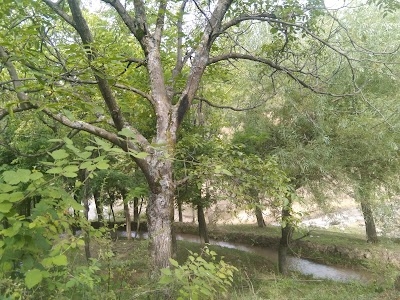
Village Life – Here’s what I know about Kapisda, a village nestled in the heart of Chhattisgarh, India. This location offers a glimpse into the serene and traditional rural life of central India.
What is this place?
Rural Settlement – Kapisda is a tranquil village in the Indian state of Chhattisgarh. It is part of the region's vast agricultural landscape, characterized by its natural surroundings and a strong connection to local traditions. I see it as a place where the pace of life is slower, offering a contrast to bustling urban centers.
Why people come here
Cultural Immersion – People typically come here to experience authentic rural Indian life. It's a destination for those seeking peace, cultural immersion, or simply a break from city noise. Visitors often appreciate the opportunity to observe local customs and the simple charm of village living.
What to expect
Peaceful Atmosphere – I expect a quiet and peaceful atmosphere in Kapisda. You'll likely encounter agricultural fields, traditional homes, and local community interactions. Crowd levels are generally low, making it ideal for a calm and reflective experience. It's best suited for travelers interested in local culture and natural tranquility.
Best time to go
Cooler Months – The best time to visit Kapisda is generally during the cooler months, from **October to March**. During this period, the weather is more pleasant for exploring the outdoors and experiencing local life comfortably. The monsoon season (July to September) brings lush greenery but can also mean heavy rainfall.
Practical info
Local Transport – Access to Kapisda often involves local transportation from nearby towns or cities. While specific timings and facilities can vary, I recommend being prepared for **basic amenities**. It’s always a good idea to carry essentials and respect local customs.
Good to know
Local Hospitality – In Kapisda, you might find that the **local hospitality** is quite warm and welcoming. Engaging with the villagers can offer unique insights into their way of life and traditions. It’s a chance to connect with the local community and understand the agricultural rhythms of the region.