



Dilkusha Kothi
What is this place?
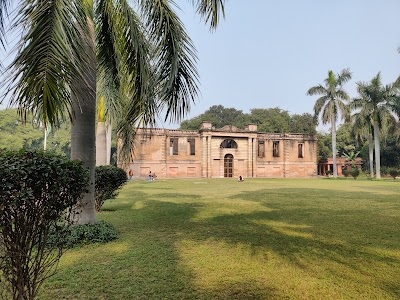
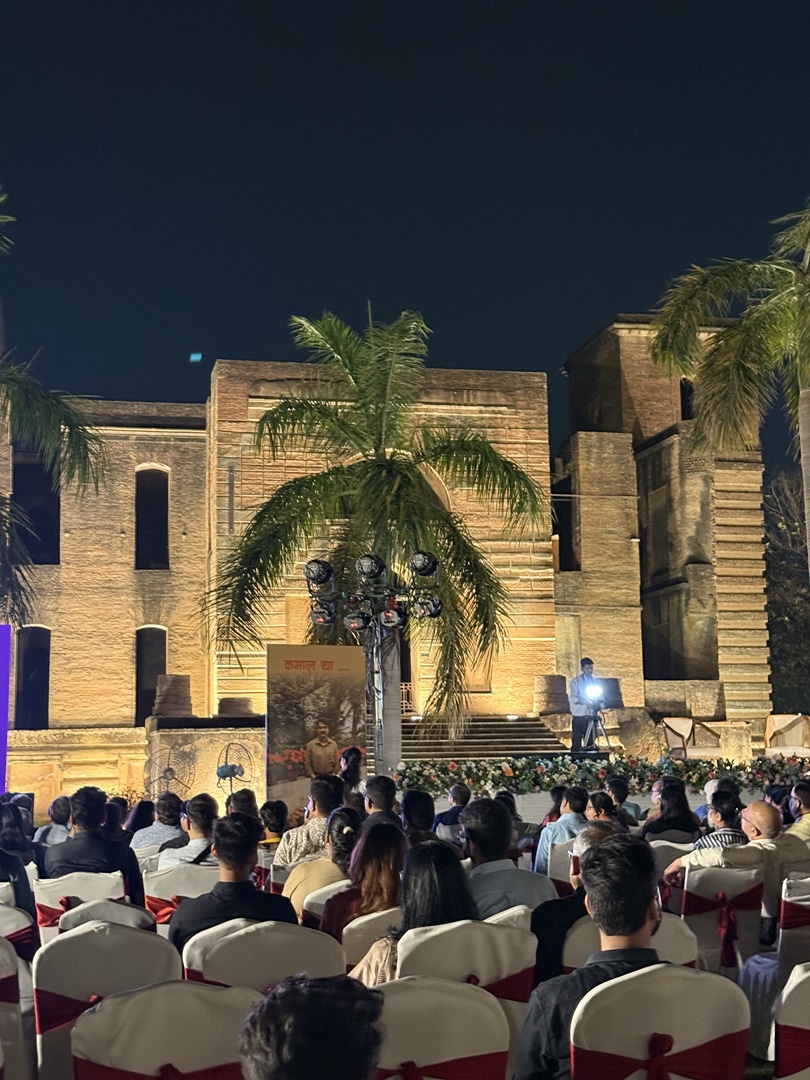
Historical Ruin – This is what remains of the magnificent Dilkusha Kothi, a former palace and hunting lodge that once stood as a testament to European architecture in Lucknow . It now stands as picturesque ruins, surrounded by lush gardens, offering a glimpse into a bygone era.Historical Background
Eighteenth-Century Palace – Built in the early 18th century by Nawab Saadat Ali Khan, Dilkusha Kothi was designed in the English Baroque style, resembling an English country house. It served as a pleasure palace and hunting retreat for the Nawabs of Awadh.1857 Uprising – This site played a significant role during the First War of Indian Independence in 1857. It became a strategic military outpost for British forces during the Siege of Lucknow, witnessing intense battles and ultimately suffering heavy damage, leading to its present ruined state.
Why people come here
History & Serenity – People visit Dilkusha Kothi to explore the historical ruins, appreciate the unique blend of European and Indian architectural influences, and enjoy the tranquil atmosphere of its surrounding gardens. It's a place for quiet contemplation and learning about Lucknow's rich past.What to expect
Picturesque Ruins – Here, you can expect to see the impressive remnants of a grand structure, including walls, towers, and arches, set within a well-maintained garden. The atmosphere is generally calm and peaceful, making it ideal for history enthusiasts, photographers, and those seeking a quiet escape.Key Highlights
- Architectural Remnants – Explore the surviving walls and structures that showcase the unique English Baroque architectural style, a rarity in this region.
- Lush Gardens – The sprawling, well-manicured lawns and gardens provide a beautiful backdrop for the ruins, perfect for leisurely strolls and relaxation.
- Historical Significance – Reflect on the pivotal role this site played during the 1857 uprising, with informational plaques often providing context.
Best time to go
Cooler Months – I recommend visiting during the cooler months, typically from October to March, to comfortably explore the outdoor site. Mornings or late afternoons are generally best to avoid the midday sun and enjoy softer light for photography.How much time to spend
1-2 Hours – Most visitors find that 1 to 2 hours is sufficient to explore the ruins thoroughly, take photographs, and enjoy the peaceful surroundings.