
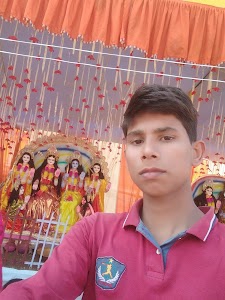



Chhatauni Salesh Sthan
What is this place? – Chhatauni Salesh Sthan is a revered religious site located in Sheohar, Bihar. It is primarily known as a temple dedicated to a local deity, holding significant cultural and spiritual value for the community.
Why people come here – People primarily visit Chhatauni Salesh Sthan for worship and to seek blessings. It serves as a focal point for religious gatherings, festivals, and personal prayers, drawing devotees from the surrounding areas.
What to expect – I find that you can expect a peaceful and spiritual atmosphere here. The place is generally tranquil, especially during non-festival times, offering a quiet space for devotion. During specific religious events, it can become quite vibrant and crowded with devotees.
Spiritual or cultural significance – This place holds deep spiritual and cultural importance, particularly for the local population. It is believed to be a sacred spot where prayers are answered, and it plays a vital role in preserving local religious traditions and community identity.
Visitor etiquette – When visiting, it's customary to observe certain religious etiquette. I recommend dressing modestly and removing your footwear before entering the main shrine area. Maintaining a respectful demeanor and silence, especially during prayer times, is also appreciated.
Best time to go – The early mornings or evenings are generally the best times to visit for a serene experience. If you wish to witness local festivals and celebrations, plan your visit according to the regional calendar, though these times can be very busy.
Practical info – I've noticed that facilities here are generally basic, reflecting its local community focus. You might find areas for shoe storage and donation boxes. Accessibility is typically straightforward, though specific details can vary.
Good to know – This Sthan is more than just a temple; it's a community hub where local traditions and folklore are celebrated. Engaging with the local devotees can offer a deeper insight into the cultural practices associated with this sacred place.
