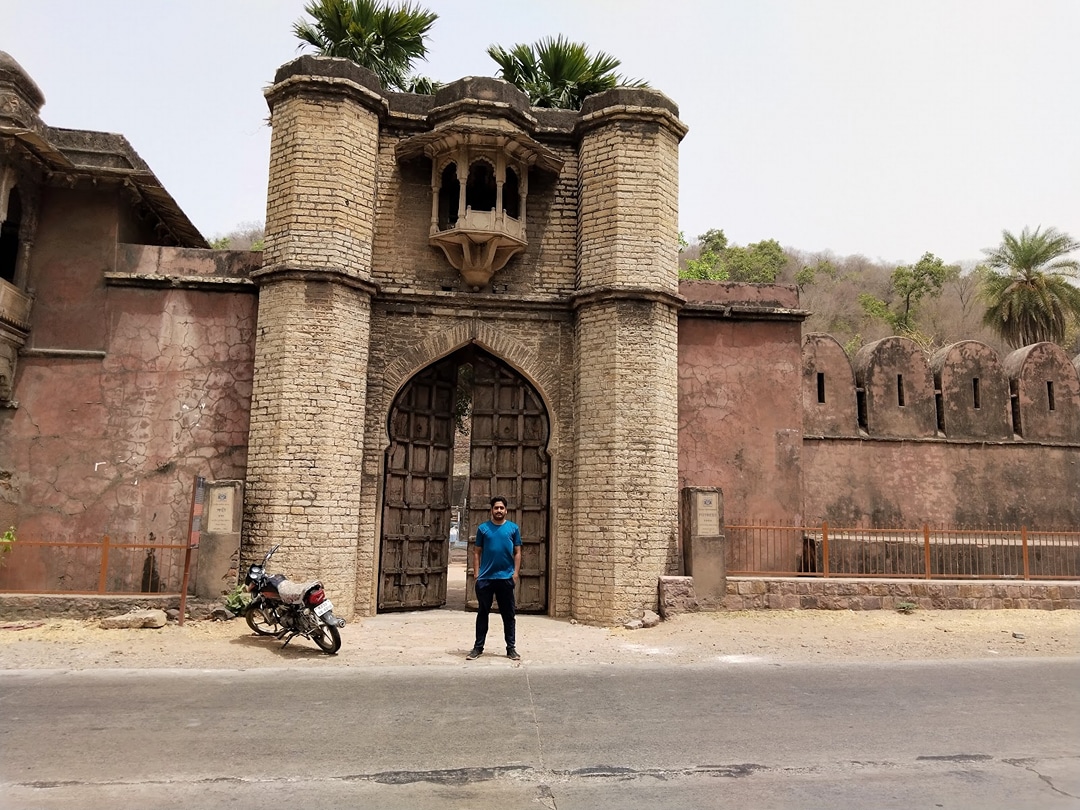
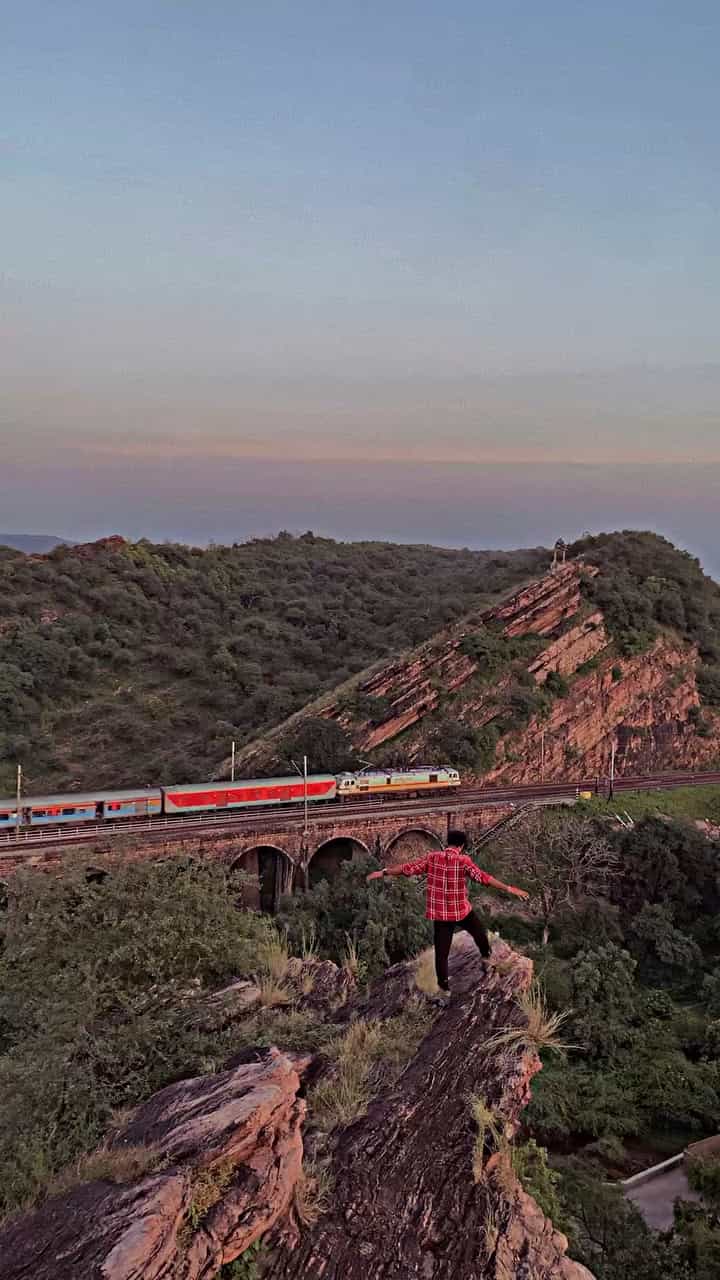
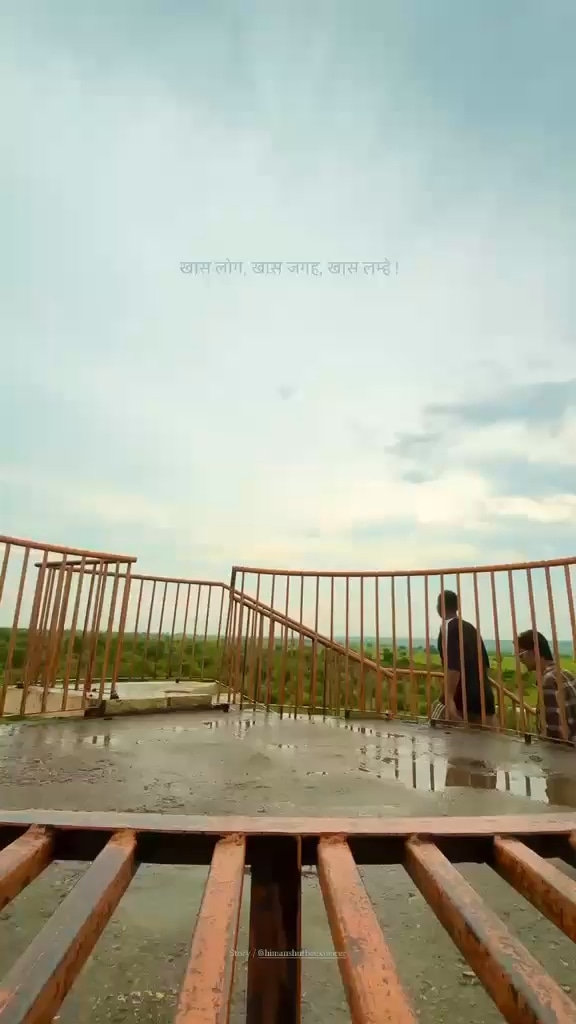
Natural Landscape – Dara is a region in Rajasthan, India, primarily known for its association with the Mukundra Hills Tiger Reserve , which was formerly known as the Dara Wildlife Sanctuary. It's a landscape characterized by dry deciduous forests, rocky outcrops, and riverine areas, offering a glimpse into Rajasthan's natural heritage beyond its popular deserts. I see it as a significant ecological zone.
Why people come here
Wildlife & Nature – People typically visit Dara to experience its natural beauty and diverse wildlife. It's a destination for those interested in wildlife spotting, particularly tigers, leopards, sloth bears, and various deer species. Birdwatchers also find it appealing due to the wide array of avian life. I've noted that visitors often seek a quieter, less commercialized wildlife experience compared to more famous reserves.
What to expect
Rugged Safaris – When you visit, expect a raw and rugged natural environment. The experience often involves jeep safaris through the reserve's challenging terrain. While wildlife sightings, especially of tigers, can be elusive, the thrill lies in the chase and the beauty of the untouched landscape. I find the atmosphere here to be generally peaceful, attracting nature enthusiasts and those looking for an authentic wilderness adventure.
What to do here
Explore & Observe – Here’s what I recommend for activities.
Wildlife Safaris – Embark on a jeep safari to explore the Mukundra Hills Tiger Reserve and try to spot its diverse fauna.
Birdwatching – The area is home to numerous bird species, making it a great spot for birdwatching, especially during the cooler months.
Historical Exploration – Discover ancient ruins and structures within the reserve, such as the historic Garadia Mahadev Temple , which offers stunning canyon views.
Best time to go
Cooler Months – The most favorable time to visit Dara is generally during the cooler, dry months from October to March. During this period, the weather is pleasant for safaris and outdoor activities, and visibility for wildlife spotting is typically better as vegetation is less dense. I advise avoiding the monsoon season (July to September) due to heavy rainfall which can make some areas inaccessible.
Practical info
Safari Logistics – Accessing the Mukundra Hills Tiger Reserve typically requires booking a safari vehicle and a guide, which can be arranged through local operators. Accommodation options directly within Dara might be limited, so visitors often stay in nearby towns like Kota . I recommend checking safari timings and entry procedures in advance, as they can vary.
Safety and preparedness
Wildlife Awareness – When visiting a wildlife sanctuary, always prioritize safety. I suggest wearing comfortable, neutral-colored clothing and carrying essentials like water, sunscreen, and a hat. It’s crucial to follow the instructions of your safari guide, maintain a respectful distance from animals, and avoid making loud noises. Remember, you are in their natural habitat, so preparedness and respect for the wildlife are key.