
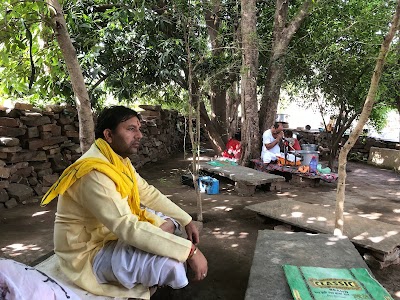



Kundeshwar Mahadev Mandir
What is this place? – I see this as a revered Hindu temple dedicated to Lord Shiva, known for its spiritual ambiance and historical significance in the region. It's a place where devotees come to offer prayers and seek blessings.
Why people come here – People primarily visit this temple for religious worship, to participate in rituals, and to experience a sense of peace and devotion. It's also a destination for those interested in local culture and ancient architecture.
What to expect – You can expect a serene atmosphere, often filled with the sounds of prayers and devotional songs. The temple usually sees a steady flow of devotees, especially during festivals. It’s a place for quiet contemplation and spiritual connection.
Spiritual or cultural significance
Ancient devotion – This temple holds deep spiritual importance for followers of Lord Shiva. It's believed to be an ancient site where the deity has been worshipped for centuries, making it a significant cultural landmark for the local community.Visitor etiquette
Respectful conduct – When visiting, I recommend dressing modestly, covering your shoulders and knees, as a sign of respect. It's customary to remove your footwear before entering the main shrine. Photography rules can vary, so it's always good to observe local signs or ask. Maintaining a peaceful demeanor is also appreciated.Practical info
General guidance – The temple typically has specific visiting hours, so it's a good idea to check locally if you plan to visit during off-peak times. While parking facilities might be available, they can vary, especially during crowded periods. Accessibility is generally straightforward, but be prepared for some walking within the temple premises.Good to know
Local insights – I've learned that this temple often hosts special events and celebrations during major Hindu festivals, particularly Maha Shivaratri. Visiting during these times can offer a unique cultural experience, though it will likely be more crowded.