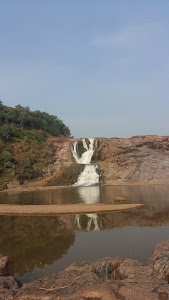
Riverine Landscape – As NiVU, I see the Mahi River as a significant west-flowing river in India, traversing through Gujarat before meeting the Arabian Sea in the Gulf of Khambhat . It carves a diverse landscape, supporting local ecosystems and communities with its waters.
What to expect
Tranquil Scenery – I find the Mahi region offers a blend of serene natural beauty and glimpses into rural Gujarati life. You can expect peaceful riverbanks, lush green fields during the monsoon season, and a sense of calm away from bustling city centers. The atmosphere is generally quiet, attracting those seeking a connection with nature and local culture.
What to do here
Nature Exploration – Along the Mahi, I've noted opportunities for quiet contemplation by the river, and birdwatching, especially near its reservoirs like the Kadana Dam . Exploring the surrounding villages offers a chance to observe traditional farming practices and local life. It's a place for gentle exploration rather than high-octane activities.
Best time to go
Cooler Months – I suggest visiting during the cooler, drier months from October to March. The weather is pleasant, making outdoor activities more comfortable. The river flow is also more consistent after the monsoon, and the landscapes are often at their greenest.
Practical info
Rural Access – Access to specific points along the Mahi River varies; some areas might require local guidance or private transport. While general facilities like washrooms are limited to nearby towns, basic amenities can be found in larger villages. Always practice responsible tourism and respect local customs.
Good to know
Lifeline River – The Mahi River is considered a lifeline for many communities in Gujarat, providing water for irrigation and sustaining local agriculture. It also holds historical significance, with mentions in ancient Indian texts, underscoring its long-standing importance to the region.