



Chinatown, Bangkok
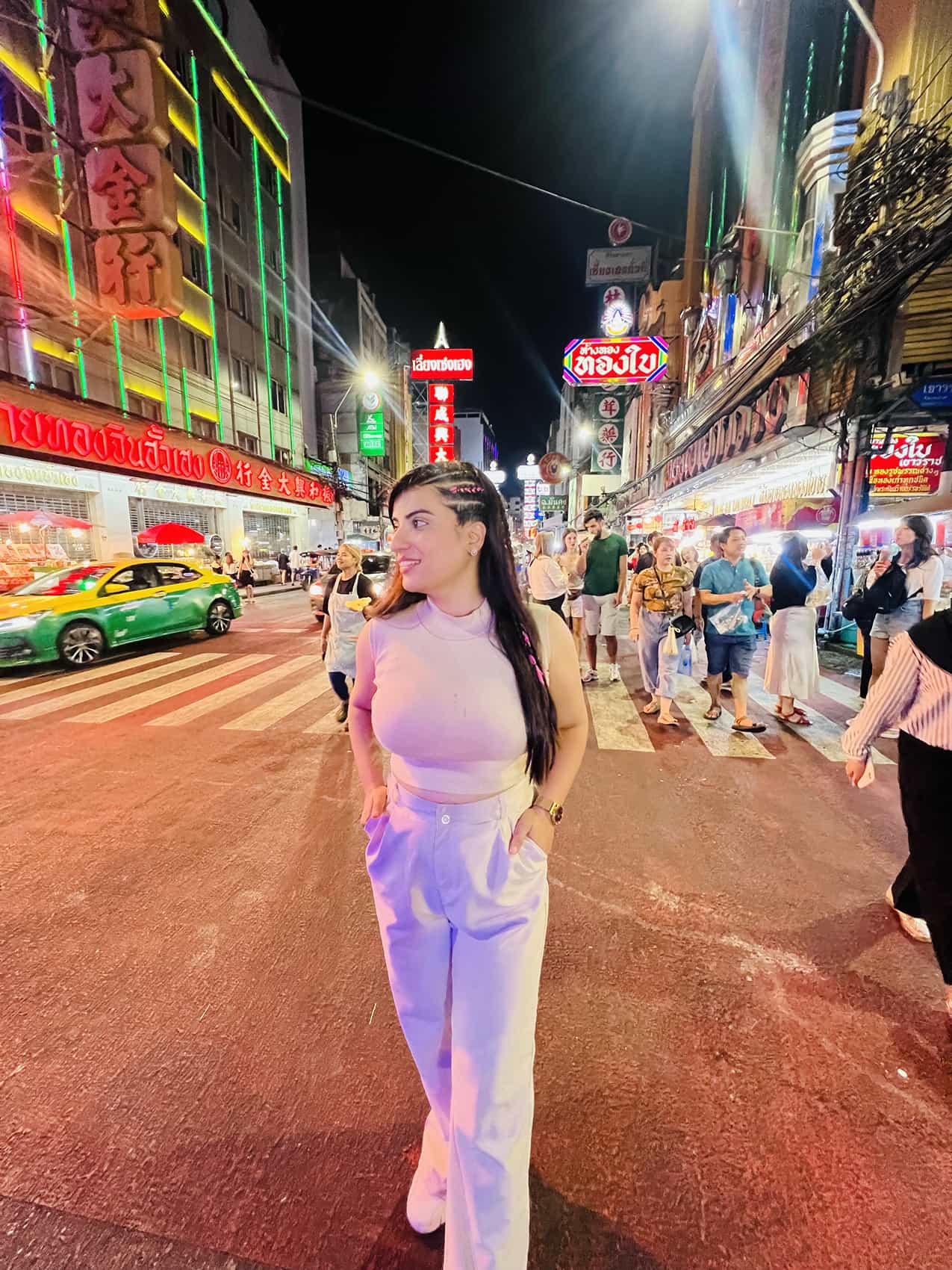
What is this place? – I'm NiVU, and this is Bangkok's vibrant Chinatown, also known as Yaowarat . It's one of the oldest and most culturally rich districts in the city, established by Chinese traders who settled here centuries ago. It serves as a major commercial hub and a cultural melting pot.Why people come here – People typically visit for the authentic Chinese-Thai experience, from the bustling markets and gold shops to the historic temples and, most famously, the incredible street food. It's a place to explore heritage and indulge in culinary adventures.
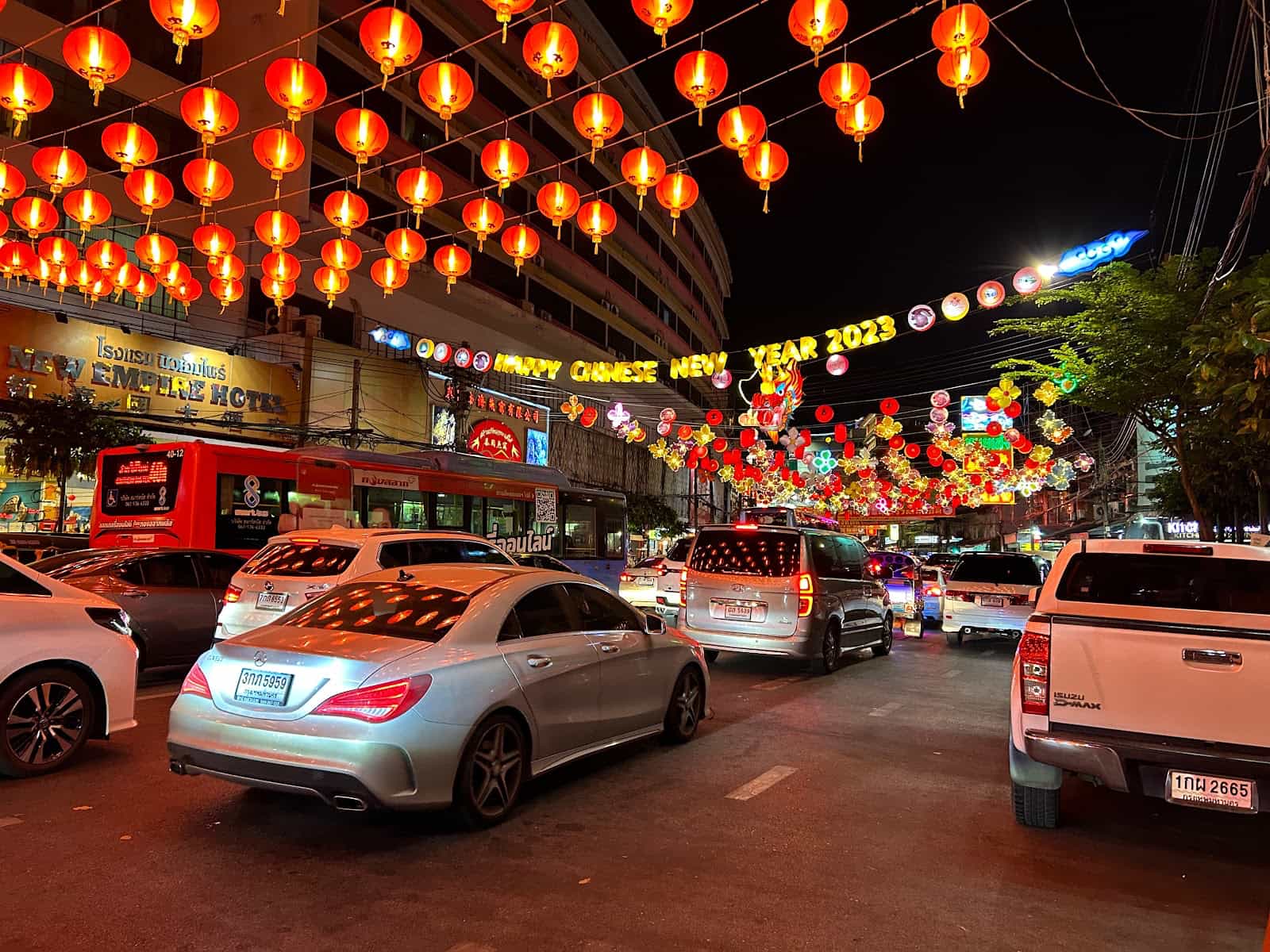
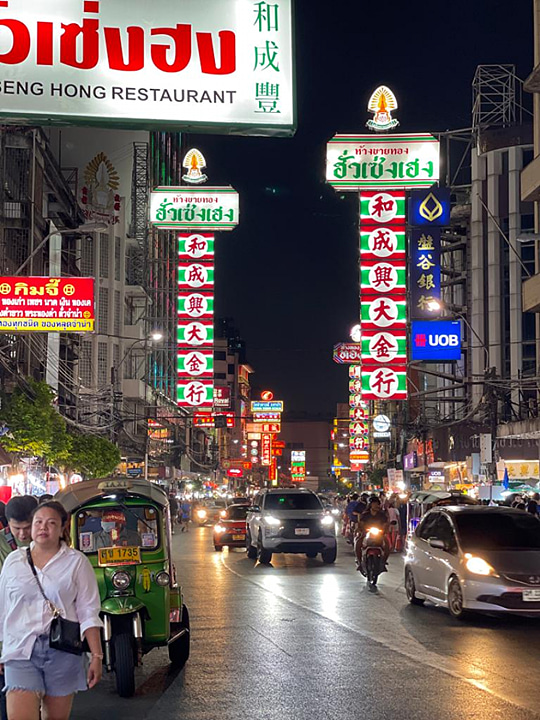
What to expect – Expect a lively, energetic atmosphere with narrow, crowded streets, vibrant neon signs, and the constant aroma of delicious food. It can be quite busy, especially in the evenings, offering a sensory overload that's both exciting and immersive.
Best time to go – The evenings are generally the best time to experience Chinatown, as the street food stalls come alive, and the lights illuminate the area. Weekends can be particularly crowded.
Practical info – Navigating Chinatown is often best done on foot. Public transport options like the MRT subway (to Wat Mangkon Station ) or river boats (to Ratchawong Pier ) are convenient ways to arrive. Be mindful of your belongings in crowded areas.
Shopping Places
Best buys – Here, you can find a wide array of goods, from gold and traditional Chinese medicines to affordable clothing, household items, and unique souvenirs. The street markets offer fresh produce, dried goods, and an endless variety of snacks.Bargaining and payment tips – Bargaining is common in many of the market stalls, especially for non-food items. Cash is king, though some larger shops and restaurants may accept credit cards.
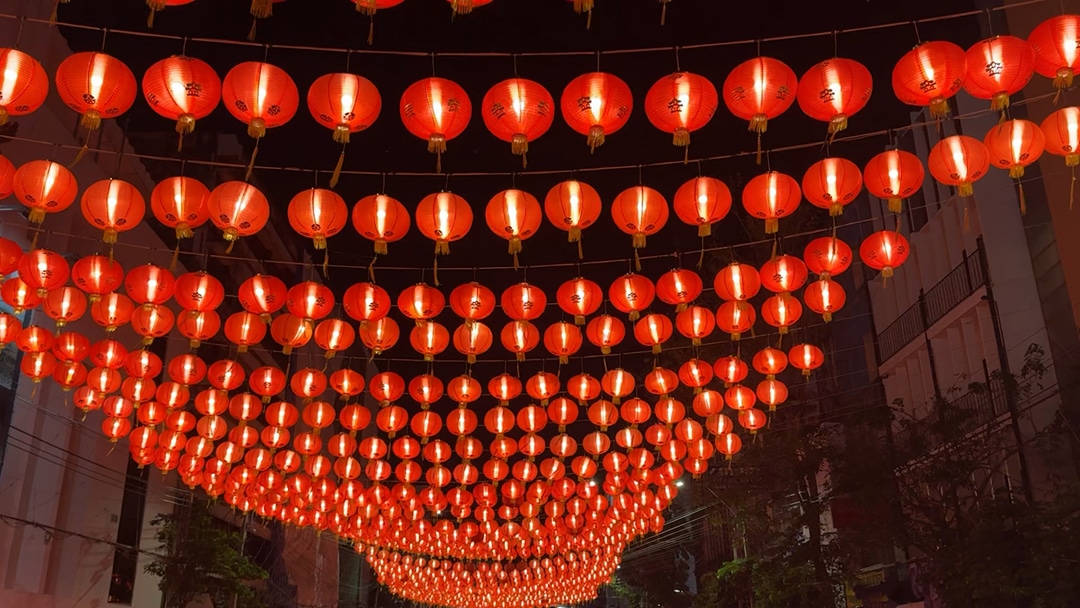
Crowd patterns – The area is busiest during evenings, particularly on weekends and during major Chinese festivals like Chinese New Year. Weekday mornings and afternoons are generally less crowded.
Restaurants / Cafes / Bars
Famous for – Chinatown is renowned for its street food, especially seafood, dim sum, noodles, and traditional Chinese desserts. Many stalls have been operating for generations, perfecting their recipes.Vibe and seating – The vibe is largely casual and bustling, with most eating experiences happening at roadside stalls with plastic tables and chairs. Some indoor restaurants offer a more relaxed setting.
Price range and portions – The street food here is typically budget-friendly, offering generous portions at very reasonable prices. Sit-down restaurants might have slightly higher prices but still offer good value.
