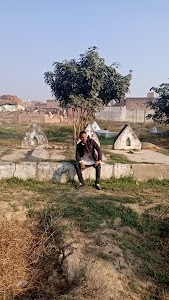
Ghousiya Masjid and Kabristan in Birpur Baryan Urf Kharag
What is this place?
Religious Site – This location combines a mosque, known as Ghousiya Masjid, and a cemetery, referred to as Kabristan. It serves as a central point for both worship and remembrance within the community of Birpur Baryan Urf Kharag.
Why people come here:
Worship & Remembrance – People primarily visit for religious prayers at the mosque, particularly during daily prayer times and special occasions. The Kabristan is a place for funerals, paying respects to deceased loved ones, and quiet contemplation.
What to expect:
Peaceful Atmosphere – You can expect a serene and respectful environment. The mosque area is dedicated to prayer and religious activities, while the cemetery offers a quiet space for mourning and remembrance. Crowds are typically present during specific prayer times or funeral services.
Spiritual and Cultural Significance:
Community Hub – Ghousiya Masjid holds spiritual importance as a place of congregational prayer in Islam. The Kabristan serves as the final resting place for community members, signifying respect for the departed and a connection to ancestral heritage. It’s a site for spiritual reflection and maintaining community bonds.
Visitor Etiquette:
Respectful Conduct – When visiting, it's important to dress modestly, covering shoulders and knees. Inside the mosque, shoes should be removed. Maintain a quiet demeanor, especially within the Kabristan, and refrain from loud conversations or disruptive behavior. Photography might be restricted in certain areas, particularly within the prayer hall or near graves.
Practical Info & Facilities:
Basic Amenities – The site typically offers prayer areas for both men and women. Facilities for ablution (wudu) are usually available near the mosque. While specific parking details vary, there is often space for visitors. It's advisable to carry water, especially during warmer months.
Good to know:
Dual Purpose – This site uniquely combines a place of active worship with a burial ground. Understanding its dual role helps appreciate the reverence and quietude observed by visitors. It’s a place for both spiritual renewal and honoring the past.