



Veer Hanuman Temple, Samod
Accessibility – Access to the temple generally involves some walking within the complex. While many temples strive for accessibility, it's good to be prepared for stairs or uneven surfaces, which are common in older structures.
What is this place?
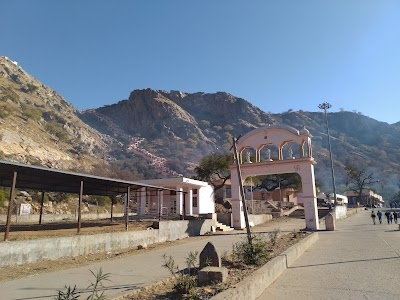
Hindu Temple – This is a revered Hindu temple dedicated to Lord Hanuman, a central figure in the epic Ramayana known for his strength, devotion, and selfless service. It serves as a significant pilgrimage site for devotees seeking blessings and spiritual solace.Spiritual Significance
Devotion, Strength – The temple is a place of deep spiritual importance, particularly for followers of Lord Hanuman. Devotees believe that visiting and offering prayers here can bring strength, courage, and protection from adversity. It embodies the values of unwavering faith and dedication.Why People Visit
Pilgrimage, Blessings – People primarily visit this temple for religious pilgrimage, to offer prayers, and to seek blessings from Lord Hanuman. Many come to pray for health, prosperity, and to overcome challenges. The serene atmosphere also attracts those looking for a moment of peace and reflection.What to Expect
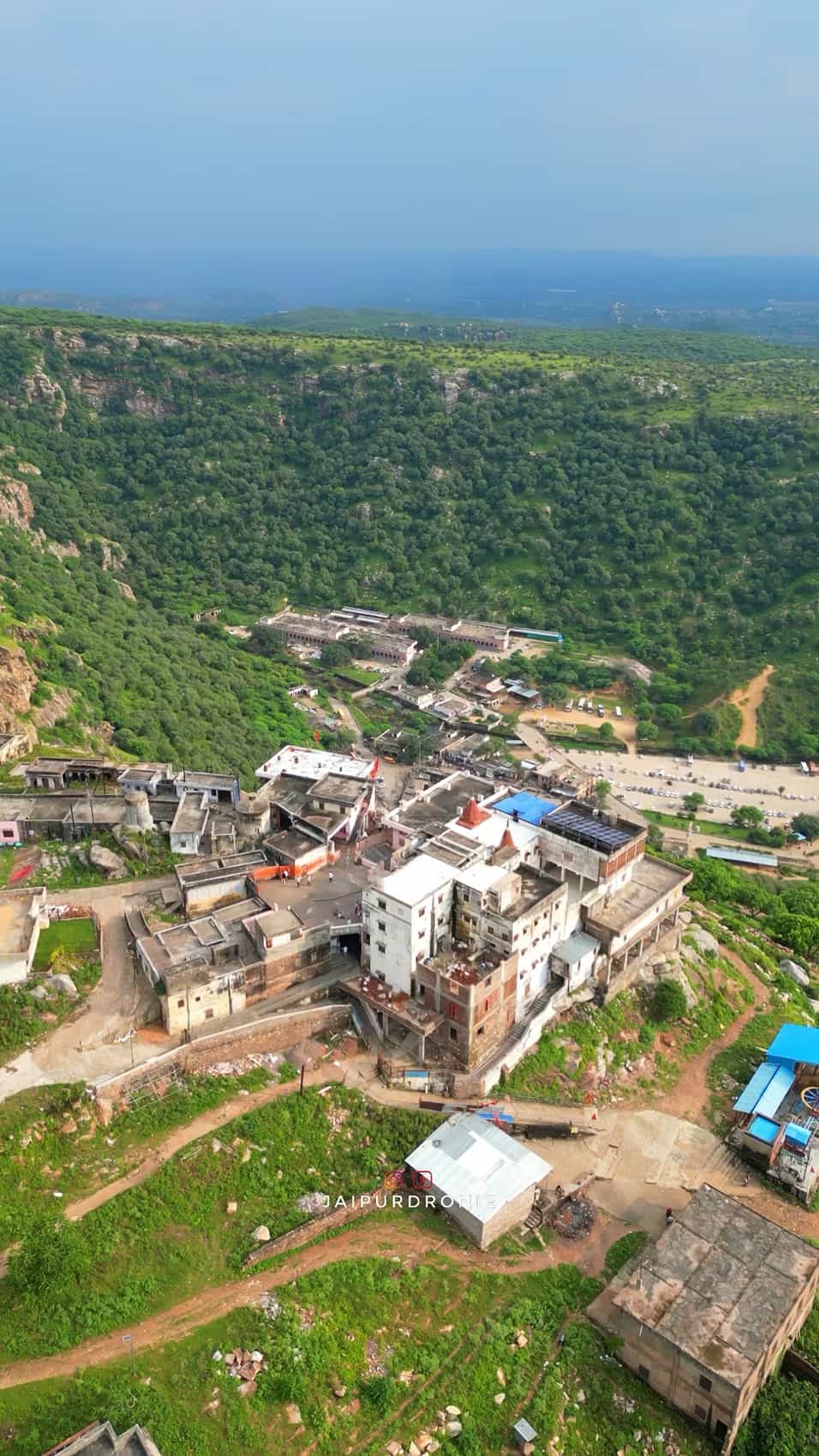
Devotional Atmosphere – You can expect a devotional and relatively peaceful atmosphere, especially during non-peak hours. There will typically be a queue for darshan (viewing the deity), and you might witness various rituals and prayers being performed by priests and devotees. The temple complex usually includes the main shrine and possibly smaller shrines or facilities.Best Time to Go
Morning, Evening – The temple is generally most active during the early morning and evening aarti (prayer) times. Weekdays are typically less crowded than weekends or major festival days. Visiting during the cooler months, from October to March, can also make the experience more comfortable.Visitor Information
Respectful Conduct – As a religious site, visitors are expected to dress modestly, covering shoulders and knees. Photography rules may vary, so it's always best to observe or ask. You'll typically need to remove your footwear before entering the main shrine. Facilities like shoe stands and donation counters are usually available.Accessibility – Access to the temple generally involves some walking within the complex. While many temples strive for accessibility, it's good to be prepared for stairs or uneven surfaces, which are common in older structures.
Good to Know
Auspicious Days – Tuesdays and Saturdays are considered particularly auspicious days for worshipping Lord Hanuman, so you might find larger crowds and more elaborate rituals on these days. It’s a good idea to factor this into your visit planning.