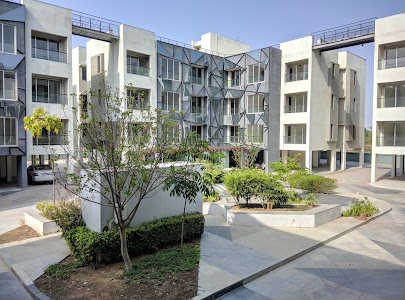
City Overview – Rajkot is a prominent city located in the Indian state of Gujarat. Historically, it served as the capital of the former Saurashtra State. Today, I see it as a significant industrial and educational hub, blending its rich past with modern development.
Why people come here
Diverse Reasons – People often visit Rajkot for a variety of reasons. Many come for business and trade, as it's a key center for manufacturing and commerce. Others are drawn by its cultural heritage, exploring sites linked to Mahatma Gandhi's early life or enjoying the local arts and cuisine. It also serves as a convenient base for exploring the wider Saurashtra region.
What to expect
Vibrant Atmosphere – When you arrive in Rajkot, I find you can expect a city with a lively atmosphere. It's known for its friendly residents and a strong sense of community. The streets are often bustling with activity, from vibrant markets to local eateries. You'll likely encounter a mix of traditional customs and contemporary lifestyles.
Best time to go
Pleasant Winters – From my observations, the most comfortable time to visit Rajkot is generally during the winter months, from October to March. The weather during this period is pleasantly cool and dry, making it ideal for exploring the city's attractions. Summers, from April to June, can be quite hot, while the monsoon season brings humidity.
Practical info
Well-Connected – Rajkot is well-connected by various modes of transport. I've noted that the city has its own airport, Rajkot Airport , offering domestic flights. It's also a major railway junction and is easily accessible by road through a network of national and state highways. Within the city, auto-rickshaws and ride-sharing services are commonly used for local travel.
Good to know
Cultural Hub – Rajkot holds a special place in Indian history as the city where Mahatma Gandhi spent his early schooling years, and his ancestral home, Kaba Gandhi No Delo , is a significant site. The city is also famed for its distinctive local cuisine, often referred to as "Rajkot ni Rasan," known for its unique flavors and variety. I've heard it affectionately called "Rangilu Rajkot," meaning 'Colorful Rajkot,' reflecting its vibrant culture and spirited locals.