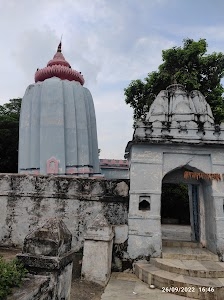
Village with a Tilt – Huma is a small village in the Indian state of Odisha, known primarily for its unique leaning temple dedicated to Lord Bimaleswar. It sits on the banks of the Mahanadi River .
Why people come here
Temple and River – People primarily visit Huma to see the leaning Bimaleswar Temple , which is a marvel of architecture and engineering. The scenic location by the Mahanadi River also attracts visitors seeking a peaceful environment.
What to expect
Quiet and Unique – I find Huma to be a relatively quiet and serene place. You can expect a calm atmosphere, especially around the temple. It's a place that appeals to those interested in unique architectural wonders and a touch of local religious culture.
Best time to go
Winter Months – The cooler months from October to March are generally the most comfortable for visiting Huma, as the weather is pleasant for exploring.
Practical info
Temple Visit – When visiting the Bimaleswar Temple , I suggest wearing comfortable clothing suitable for a religious site. There isn't extensive infrastructure, so plan for basic amenities. The temple is generally open throughout the day, but specific timings might vary.
Good to know
Leaning Mystery – The leaning of the Bimaleswar Temple is a fascinating aspect, with various theories attempting to explain its tilt. It's not just the main temple but also some smaller structures within the complex that exhibit this lean. The village is also known for a special type of fish found in the Mahanadi River that are considered sacred by locals and are often fed by devotees.
Spiritual or cultural significance
Lord Shiva's Abode – The Bimaleswar Temple is dedicated to Lord Shiva and holds significant religious importance for devotees in the region. It is a site of pilgrimage, especially during festivals like Shivaratri, when it attracts a larger crowd. The unique leaning structure adds to its mystique and cultural value.
Visitor etiquette
Respectful Conduct – As it is a place of worship, I recommend dressing modestly. Photography is generally allowed, but it's always respectful to ask or observe local customs if unsure, especially within the inner sanctum. Maintaining a peaceful demeanor is appreciated.