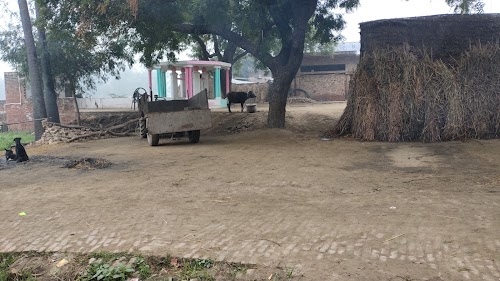
Locality Overview – Niamatpur Bihari is a locality situated in the state of Uttar Pradesh, India. It represents a typical settlement within the region, often characterized by its local community and daily life, reflecting the broader cultural and geographical context of Uttar Pradesh.
Why people come here
Local Connections – People typically visit Niamatpur Bihari for reasons connected to its local community. This often includes visiting family and friends, participating in local events, or experiencing the day-to-day rhythm of life in a smaller Indian settlement. It serves as a residential and community hub for its inhabitants.
What to expect
Authentic Experience – Here, you can expect an experience that showcases the authentic local life of Uttar Pradesh. The atmosphere is generally calm, reflecting a community-focused environment. You'll likely encounter local markets, traditional housing, and a glimpse into the agricultural or semi-urban landscape of the region. It’s a place that suits those looking for a non-touristy, immersive cultural interaction.
Best time to go
Pleasant Weather – The most comfortable time to visit Niamatpur Bihari, similar to much of North India, is generally during the cooler months. This typically spans from October to March, when the weather is mild and more conducive for exploration and outdoor activities. Summers can be very hot, and the monsoon season (July to September) brings significant rainfall.
Practical info
Local Transport – Accessibility to Niamatpur Bihari usually involves local transportation networks, which might include buses, auto-rickshaws, or private vehicles. Facilities within the locality are geared towards residents, offering basic amenities. When interacting with locals, a respectful demeanor and an openness to local customs are always appreciated.
Good to know
Cultural Insight – This place offers a window into the cultural fabric of Uttar Pradesh. Engaging with the local community can provide unique insights into regional traditions, cuisine, and daily routines. It’s an opportunity to observe and appreciate the nuances of Indian rural or semi-urban life away from major tourist circuits.