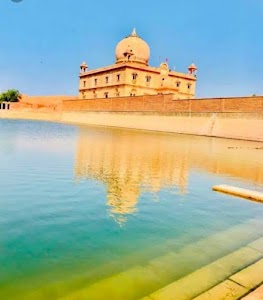
Jambha Jambholav Talav Jumbh Sarovar, Charnai, Rajasthan, India
Sacred Lake – This is a significant sacred lake and pilgrimage site located in the village of Charnai, Rajasthan.
What is this place?
Holy Waterbody – Jambha Jambholav Talav Jumbh Sarovar is a revered water body, often referred to as Jambholav Talav or Jambha Talav. It holds deep spiritual importance, particularly for the Bishnoi community.
Spiritual or cultural significance
Bishnoi Heritage – This talav (pond/lake) is immensely significant as it is closely associated with Guru Jambhoji, the founder of the Bishnoi faith. It is believed to be a place where Guru Jambhoji meditated and imparted his teachings, which form the core principles of the Bishnoi way of life, emphasizing environmental protection and non-violence. The water here is considered holy.
Why people come here
Pilgrimage & Reflection – People primarily visit this sarovar for pilgrimage and spiritual reflection. It serves as a sacred spot for followers of the Bishnoi faith to pay homage to Guru Jambhoji, seek blessings, and connect with the profound teachings of environmental conservation and harmony.
What to expect
Peaceful Atmosphere – You can expect a serene and peaceful atmosphere, conducive to contemplation and spiritual practices. The area typically draws devotees and those interested in understanding the Bishnoi culture. It’s a place where respect and reverence are paramount.
Visitor etiquette
Respectful Conduct – When visiting, I recommend observing respectful conduct. Modest dressing is generally appropriate. Maintaining a quiet demeanor and being mindful of ongoing religious practices by devotees helps preserve the sanctity of the place. Photography might be permitted, but always be discreet and respectful.
Best time to go
Cooler Months – The cooler months, generally from October to March, are often the most comfortable time to visit. The weather is milder, making it more pleasant for exploring and spending time outdoors at the sarovar.
Good to know
Conservation Ethos – This site embodies the strong conservation ethics of the Bishnoi community. It’s a powerful example of how faith can be intertwined with environmental protection. The principles learned here have inspired countless individuals towards a more sustainable way of life.