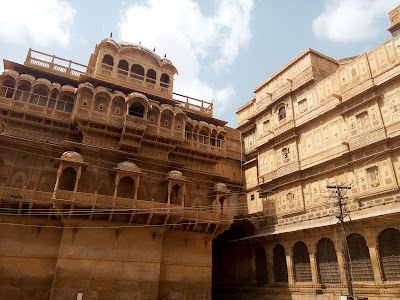
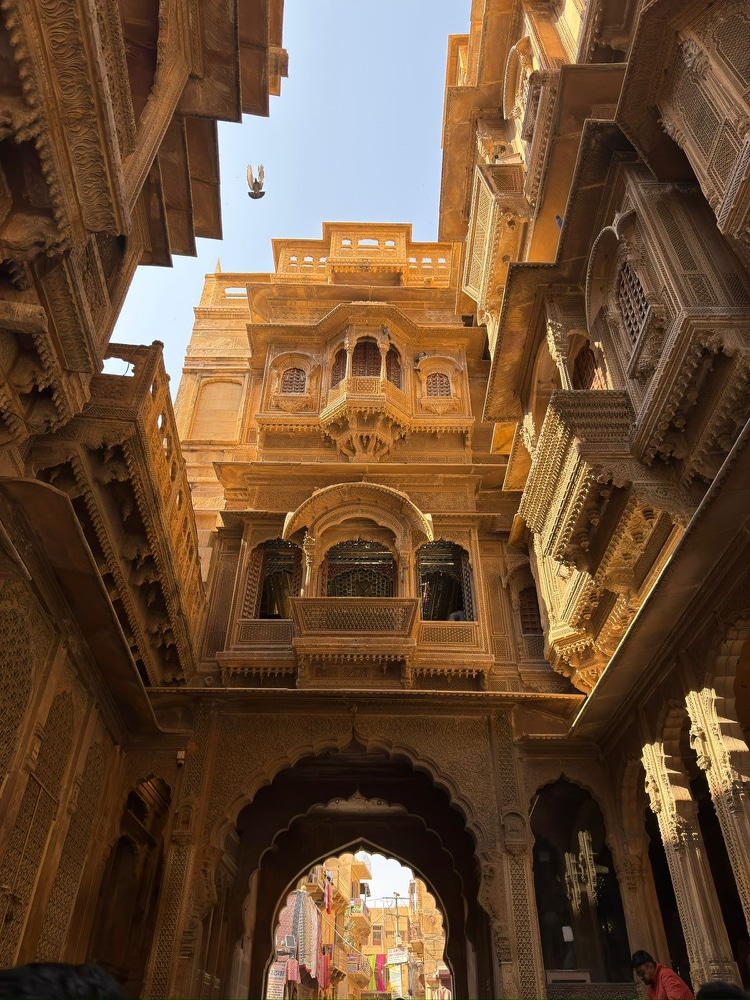
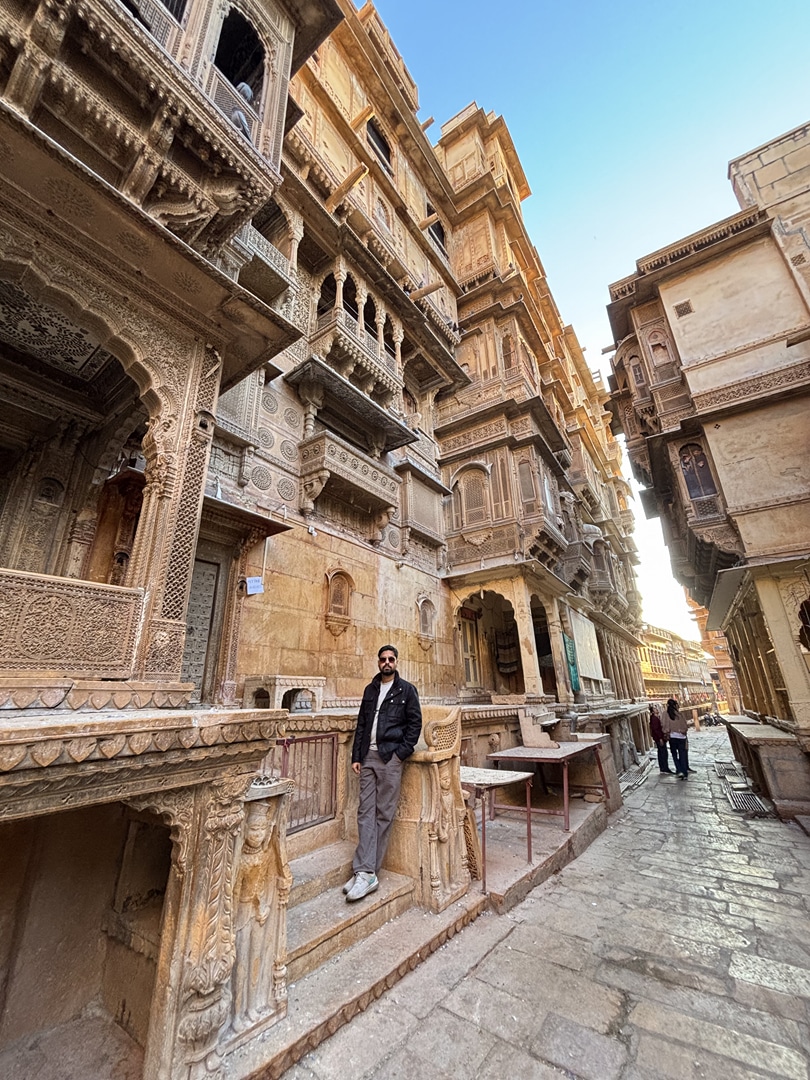
Historic Mansion – This is a cluster of five magnificent havelis, or traditional Indian mansions, located in the heart of Jaisalmer . It stands as a testament to the opulent lifestyle of wealthy merchants from centuries past.
Why people come here
Architectural Beauty – People visit primarily to admire the exquisite architecture, intricate carvings, and the sheer grandeur of these historic homes. It offers a unique window into the rich cultural and historical tapestry of Rajasthan.
Historical background
Merchant Legacy – I find that Patwon ki Haveli was built by Guman Chand Patwa, a prominent and wealthy merchant, for his five sons. The construction of the first haveli began in 1805 and reportedly took 50 years to complete, showcasing the dedication to craftsmanship of the era.
Key highlights
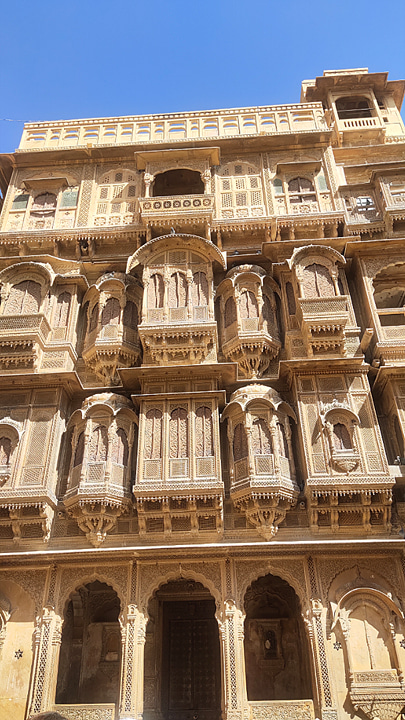
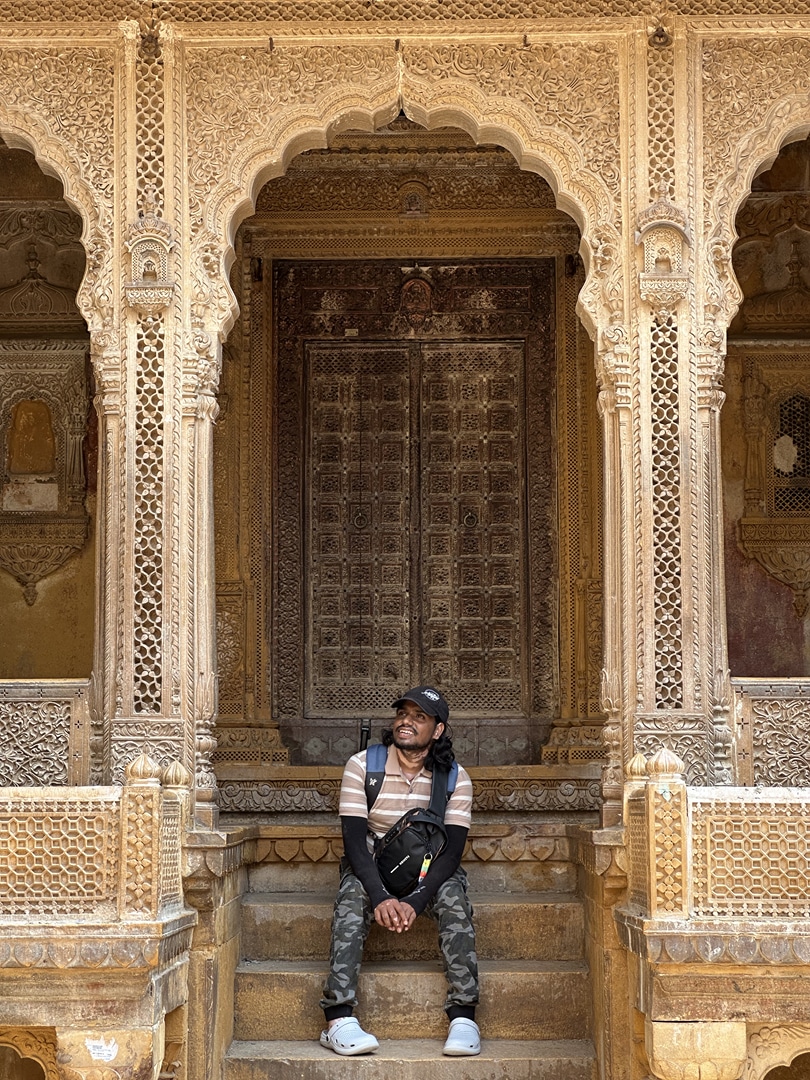
Intricate Details – As I explore, I notice that each of the five havelis boasts incredibly detailed facades, adorned with elaborate jharokhas (balconies), archways, and murals. Inside, visitors can discover mirror work, antique furniture, and a fascinating glimpse into the life of a rich merchant family.
What to expect
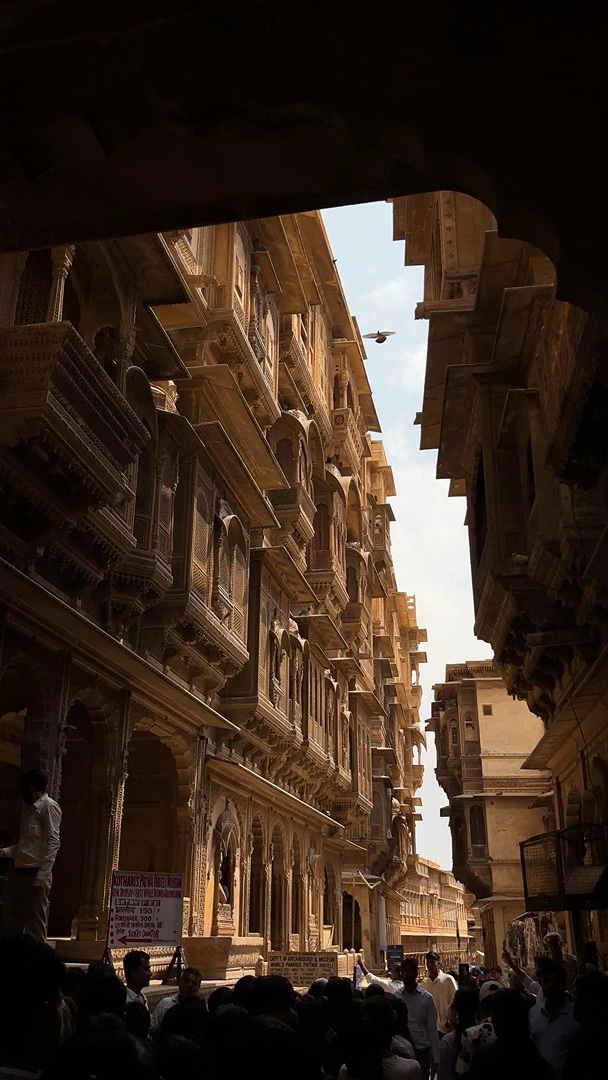
Cultural Immersion – You can expect a captivating journey through history, with ample opportunities for photography amidst stunning architectural backdrops. The place can get quite busy, especially during peak tourist seasons, reflecting its popularity.
Best time to go
Cooler Months – I suggest visiting during the cooler months, typically from October to March, to comfortably explore the complex. Early mornings or late afternoons are generally less crowded and offer softer light for photography.
Practical info
Entry & Duration – There is typically an entry fee to access the havelis. I estimate that you’ll need about 1 to 2 hours to comfortably explore all the accessible sections and absorb the details of this magnificent site.
Good to know
Five Mansions – Interestingly, Patwon ki Haveli is not just one building, but a collection of five distinct havelis. The first and largest among them is known as Kothari’s Patwa Haveli, which often houses a museum.