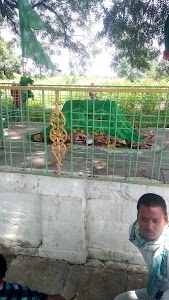
HAJI SAYYED ABDURRAHEMAN QUADRI SAHAB (DARGAH RAMNA SARKAR)
6CX3+C3Q, Parbhani
HAJI SAYYED ABDURRAHEMAN QUADRI SAHAB (DARGAH RAMNA SARKAR)
Explurge-Ins
1
Ratings (1)
5
Distance
-
HAJI SAYYED ABDURRAHEMAN QUADRI SAHAB (DARGAH RAMNA SARKAR)
What is this place?
Sufi Shrine – I see this as a revered Sufi shrine, also known as a Dargah, dedicated to Haji Sayyed Abdurraheman Quadri Sahab. It's a place of spiritual devotion and remembrance, located in Parbhani.
Spiritual or cultural significance
Spiritual Hub – This Dargah holds deep spiritual importance within the Sufi tradition. It serves as a focal point for followers seeking blessings and guidance from the teachings and legacy of the revered saint. It reflects a rich cultural heritage of devotion and communal harmony.
Why people come here
Seek Blessings – People typically visit this Dargah to offer prayers, seek blessings, and find solace and peace. Many come to express their devotion, make wishes, and participate in the spiritual atmosphere that permeates the shrine. It's a place for reflection and connection.
What to expect
Peaceful Devotion – Here, you can expect a generally peaceful and reverent atmosphere, often filled with devotees from various backgrounds. The environment encourages quiet contemplation, and you might witness spiritual recitations or gatherings, particularly on specific days.
Visitor etiquette
Respectful Conduct – When I visit, I always observe respectful conduct. It is generally expected to dress modestly, remove your footwear before entering the main shrine area, and maintain a calm and quiet demeanor. Photography rules can vary, so it's wise to observe local customs or ask.
Practical info
Open Hours – Dargahs like this are typically open from morning till evening, though specific timings can vary. I suggest allocating enough time for a peaceful visit, which could range from a short prayer to a longer period of contemplation. Basic facilities like shoe racks are usually available.
Good to know
Offerings Welcome – It's common practice for visitors to bring offerings such as flowers, incense, or 'chadar' (a decorative cloth) to place at the tomb. These acts are seen as expressions of devotion and respect. The annual 'Urs' celebration, commemorating the saint, is a significant event here.