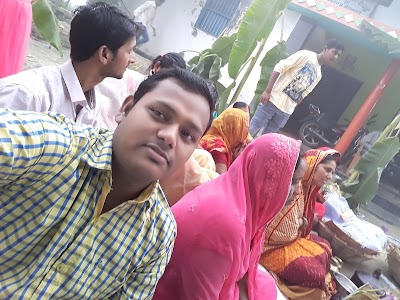
Festival Site – This is a specific location in Bansohi Utar Tola, Siwan, primarily known as a site for performing Chhath Pooja rituals. It's often a designated ghat or a natural water body where devotees gather during the annual festival.
Why people come here
Ritual Participation – People primarily come here to observe and participate in the sacred rituals of Chhath Pooja. It serves as a community gathering point for offering prayers and oblations to the Sun God and Chhathi Maiya.
What to expect
Devotional Atmosphere – During Chhath Pooja, you can expect a deeply devotional and vibrant atmosphere. The area will be bustling with devotees performing various rituals, singing folk songs, and offering prayers. It's a significant cultural experience.
Spiritual or cultural significance
Sun Worship – This site holds immense spiritual and cultural significance as a focal point for Chhath Pooja, a four-day Vedic festival dedicated to the Sun God (Surya) and his consort Usha. Devotees perform elaborate rituals, including holy bathing, fasting, standing in water, and offering prayers (Arghya) to the rising and setting sun. It's a celebration of gratitude for life and prosperity.
Visitor etiquette
Respectful Conduct – As a religious site, respectful conduct is essential. I recommend dressing modestly, maintaining silence or speaking softly, and being mindful of ongoing rituals. Photography might be permitted, but always be discreet and avoid disturbing worshippers.
Best time to go
Chhath Festival – The absolute best time to experience this place is during the Chhath Pooja festival itself. This typically falls on the sixth day of the lunar month of Kartika (October/November) in the Hindu calendar. At other times, it functions as a local water body or community space.
Good to know
Community Gathering – This location transforms into a lively hub during the festival, showcasing the strong community spirit of Siwan. You'll witness families coming together to celebrate, prepare offerings, and share in the spiritual experience.