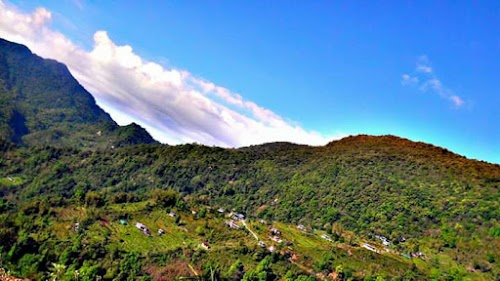
Rural Gewog – Dorokha is a gewog, or a group of villages, located in the Samtse District in southwestern Bhutan. I see it as a predominantly rural area characterized by its agricultural landscapes, traditional Bhutanese way of life, and natural surroundings. It serves as an administrative and community hub for its local residents.
Why people come here
Local Experience – People typically visit Dorokha to experience the authentic rural life of Bhutan, away from more developed tourist centers. It offers a glimpse into traditional farming practices, local customs, and the serene, untouched natural beauty of the region.
What to expect
Tranquil Atmosphere – I expect a peaceful and quiet atmosphere, with a focus on natural beauty and local culture. You'll likely encounter friendly villagers, lush green landscapes, and a slower pace of life. Crowd levels are generally low, making it ideal for those seeking tranquility and an immersive cultural experience.
What to do here
Explore Nature – Here, you can immerse yourself in the natural environment. I recommend exploring the surrounding agricultural fields, taking leisurely walks through the villages, and enjoying the panoramic views of the hills and valleys. It's an excellent spot for photography, bird watching, and simply appreciating the pristine Bhutanese countryside.
Best time to go
Pleasant Weather – The best time to visit Dorokha is generally during the spring (March to May) and autumn (September to November) months. During these periods, the weather is mild and pleasant, with clear skies, making it ideal for outdoor exploration and enjoying the scenic beauty.
Practical info
Accessibility Varies – Access to Dorokha can be challenging due to the mountainous terrain and rural road conditions, which can vary. It's generally advisable to travel with experienced local guides or drivers. While there are no specific timings for the area itself, plan your visits during daylight hours for safety and to fully appreciate the surroundings.
Good to know
Cultural Immersion – Dorokha offers a unique opportunity for cultural immersion. You might observe traditional farming methods and local festivals if your visit coincides. Remember that English is spoken by some, but learning a few basic Dzongkha phrases can enhance your interaction with the local community.