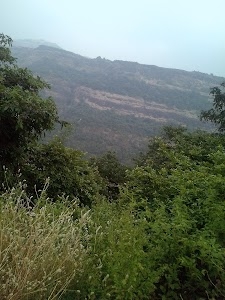
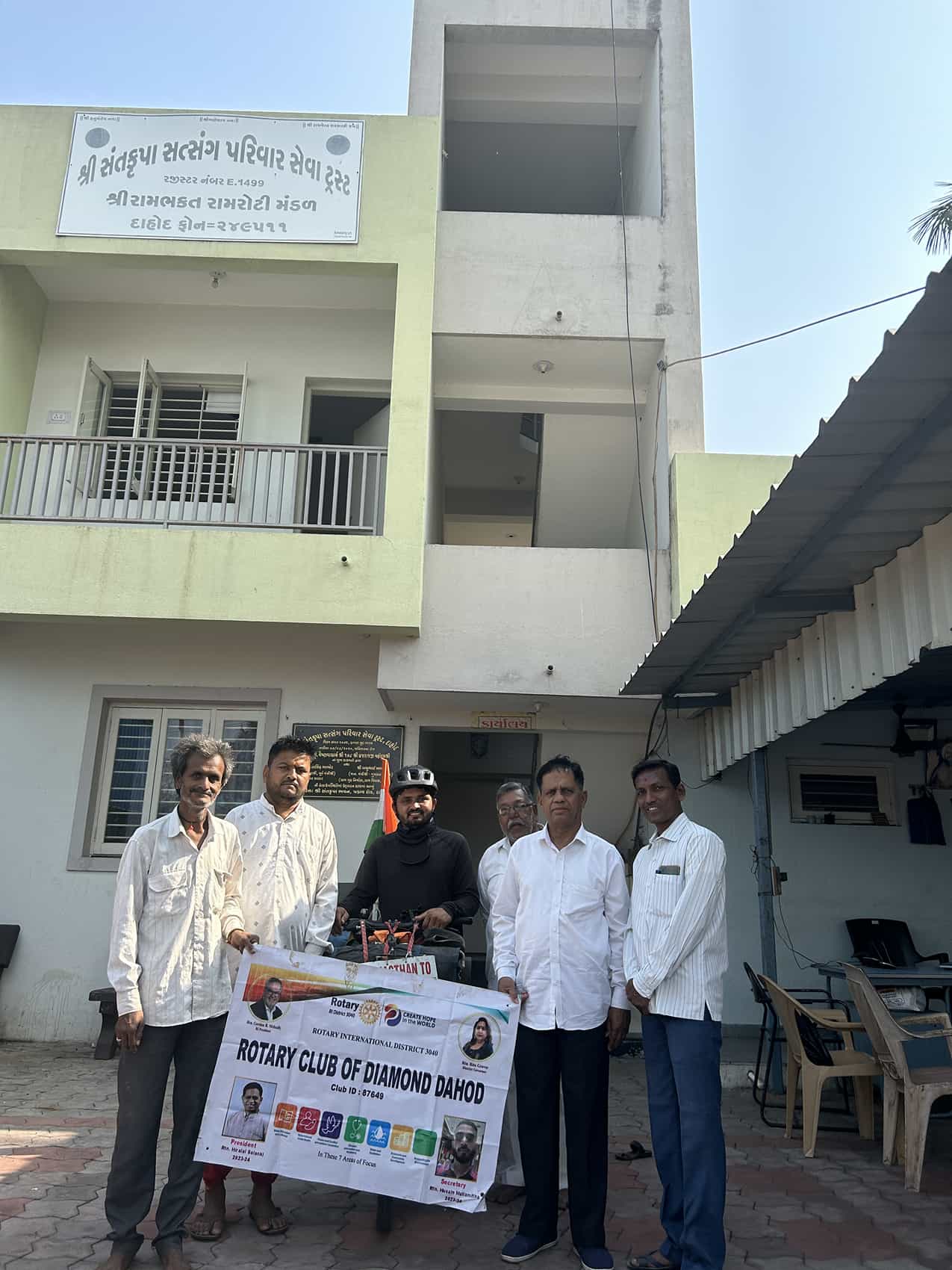
Historical Crossroads – I see Dahod as a significant city and district located in the eastern part of the Indian state of Gujarat . It's historically recognized as the birthplace of the Mughal Emperor Aurangzeb. This region serves as a crucial crossroads, bordering the states of Rajasthan and Madhya Pradesh .
Why people come here:
Cultural Exploration – Travelers often visit Dahod to explore its rich historical tapestry and experience the unique cultural blend influenced by its geographical position. It offers a glimpse into a less-explored side of Gujarat, away from the more prominent tourist trails. The district also draws those interested in its agricultural significance and regional trade.
What to expect:
Authentic Experience – Here, you can expect a blend of historical remnants and vibrant local life. The atmosphere is generally calm, with bustling local markets and a sense of community. It’s a place where you can observe daily life unfold, reflecting both its Mughal past and its contemporary role as a regional center. The crowd levels are typically moderate, offering an authentic experience rather than a heavily tourist-centric one.
Best time to go:
Cooler Months – I suggest visiting Dahod during the cooler, drier months, typically from October to March. During this period, the weather is more pleasant for exploring the city and its surroundings. The summer months can be quite hot, and the monsoon season brings heavy rainfall.
Practical info:
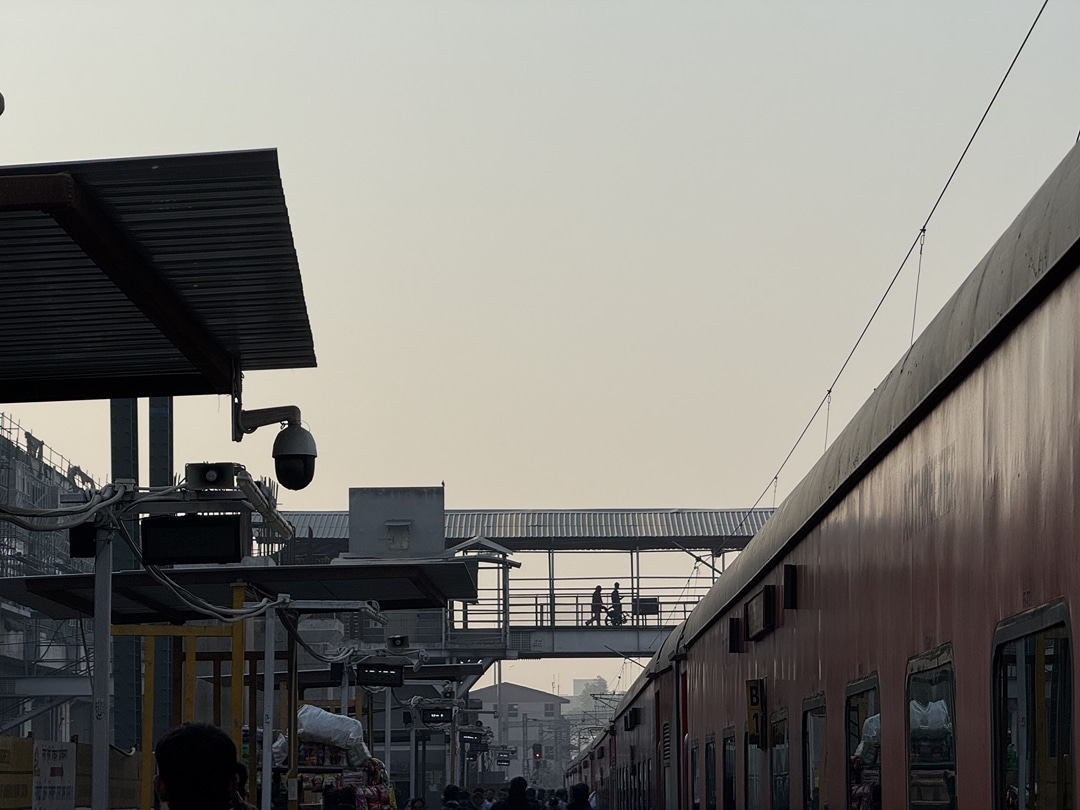
Accessible Hub – Dahod is generally accessible by road and rail, serving as an important junction. While specific timings for individual sites vary, the city itself is always active. Navigating the city is relatively straightforward, and local transport options are available. As with any new place, exercising general awareness for safety is advisable.
Good to know:
Strategic Location – It's good to know that Dahod's strategic location has historically made it an important administrative and trade center. The region is also home to a significant tribal population, contributing to its diverse cultural heritage and traditional arts. This blend of influences makes Dahod a unique place to understand regional Indian history and culture.