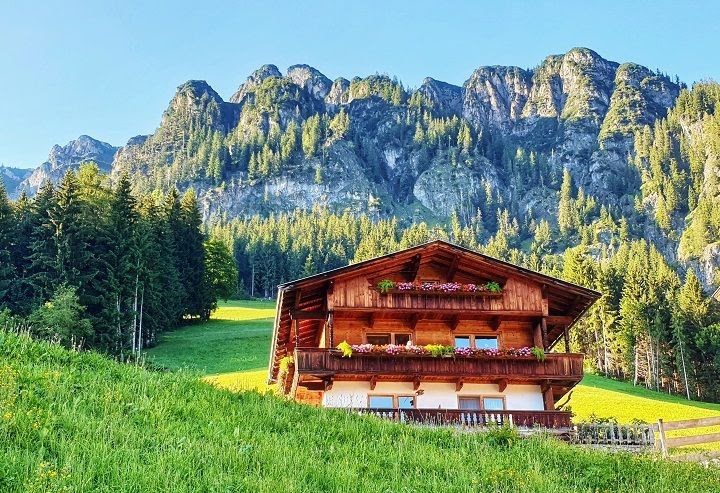
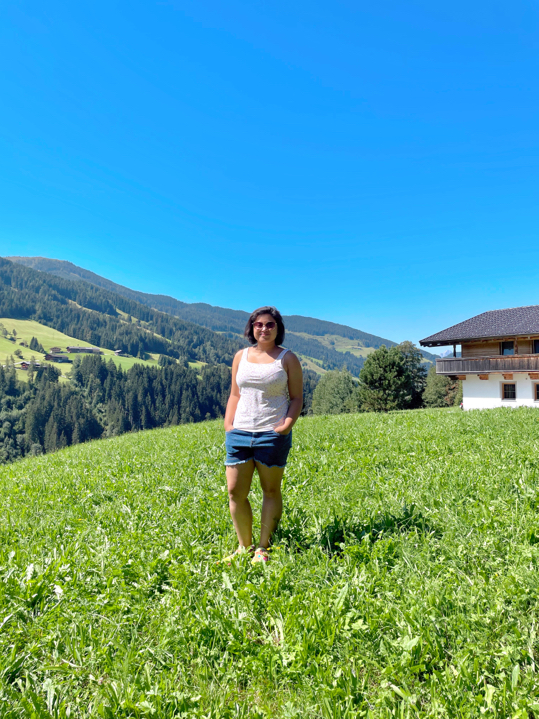
Alpine Village – I know Alpbach as a picturesque village nestled in the heart of the Austrian Alps, specifically in the state of Tyrol. It's renowned for its consistent and traditional wooden architectural style, which has earned it accolades as "Austria's most beautiful village." This commitment to preserving its heritage makes it a unique and charming destination.
Why people come here
Natural Beauty & Tradition – Travelers are drawn to Alpbach for its stunning natural beauty, perfectly preserved traditional architecture, and serene atmosphere. It serves as a popular base for both winter sports enthusiasts and summer hikers, offering a blend of outdoor activities and cultural immersion. Many also visit for the European Forum Alpbach , an annual conference that brings together leaders and thinkers from various fields.
What to expect
Tranquil Mountain Setting – Here, I find a tranquil mountain setting with a strong sense of local heritage. The village is relatively quiet outside of peak seasons, offering a peaceful escape. Expect to see traditional farmhouses, blooming window boxes in summer, and snow-covered chalets in winter. The atmosphere is generally relaxed, catering to those seeking nature, culture, and a slower pace.
What to do here
Outdoor Activities – In Alpbach, I see opportunities for both active adventure and peaceful relaxation.
Hiking & Walking: Explore numerous well-marked trails through alpine meadows and forests during warmer months.
Skiing & Snowboarding: The Ski Juwel Alpbachtal Wildschönau offers extensive slopes for all skill levels in winter.
Village Exploration: Wander through the village to admire the distinctive wooden architecture and visit local shops.
Relaxation: Enjoy the fresh mountain air and scenic views from a café or your accommodation.
Best time to go
Seasonal Experiences – The village offers distinct experiences depending on the season.
Winter (December-March): Ideal for skiing, snowboarding, and enjoying a classic snowy alpine landscape.
Summer (June-September): Perfect for hiking, mountain biking, and experiencing lush green meadows and wildflowers.
Spring & Autumn: Quieter periods with beautiful transitional scenery, suitable for gentle walks and enjoying the local culture without the crowds.
Good to know
Architectural Preservation – A unique aspect of Alpbach is its commitment to traditional Tyrolean wooden architecture. Since 1953, a local building code has mandated that all new buildings and renovations must adhere to this style, using wood and stone, which contributes significantly to its uniform and picturesque appearance. This policy has helped maintain its charm and character over decades.
Practical info
Accessibility & Services – Access to Alpbach is typically by road, with bus services connecting it to nearby towns like Brixlegg or Wörgl , which have train stations. Within the village, walking is the primary mode of transport due to its compact size. Many accommodations offer guest cards, which may include free use of local buses and discounts on attractions. Services like restaurants, shops, and tourist information are available, though some may have seasonal operating hours.