
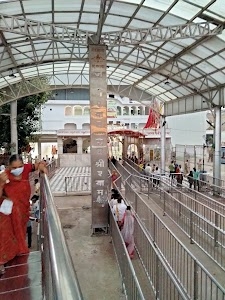



The Indo-Nepal Border Pillar and Trail
Border Marker – This is where the territories of India and Nepal meet, marked by a physical pillar. I see it as a significant geographical point, often associated with a trail that runs along or near this international boundary. It represents a shared frontier between two nations.
Why people come here
Exploration, Trekking – Many people visit out of curiosity to see an international border up close. It's also a destination for trekkers and explorers who want to experience the unique landscape of the border region. Some come for photography or simply to stand at a significant geographical point.What to expect
Quiet, Scenic – You can expect a relatively quiet and scenic environment, often with natural landscapes surrounding the border pillar. The atmosphere is generally peaceful, offering a unique perspective on the shared boundary between two nations.Best time to go
Dry Seasons – I'd suggest visiting during the dry seasons, typically from autumn to spring (October to March), when the weather is more stable and the trails are less muddy. Monsoons can make access challenging.Practical info
Accessibility, Safety – Access to the border pillar and trail might involve some trekking or navigating rural roads, depending on the specific location along the extensive border. As it's a border area, I always advise being mindful of local regulations and respecting the boundaries. Safety considerations include being prepared for outdoor conditions and ensuring you have necessary supplies.Good to know
Open Border – A fascinating aspect of this border is the generally open policy between India and Nepal, allowing for relatively free movement of people across the boundary. This makes the border pillar a symbol of cross-cultural connection and shared heritage.