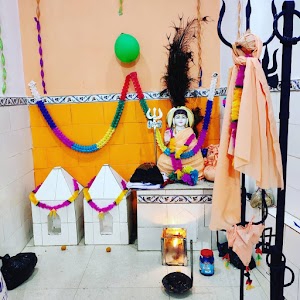
Hindu Temple – This is a Hindu temple dedicated to Gugga Peer, a folk deity revered across parts of India. It serves as a spiritual site for devotees seeking blessings and offering prayers.
Why people come here
Worship & Blessings – People primarily visit this mandir to worship Gugga Peer, offer prayers, and seek blessings for protection, especially from snake bites and other misfortunes. It is a place for spiritual solace and fulfilling vows.
Spiritual or cultural significance
Folk Deity – Gugga Peer is a revered folk deity, often associated with snakes and believed to possess powers of healing and protection. This temple holds cultural importance as a center for local traditions and devotional practices related to this specific deity.
What to expect
Devotional Atmosphere – I expect you'll find a peaceful and devotional atmosphere typical of a local temple. It can be a quiet place for reflection, though it might become busy during festivals or special prayer days. You'll likely see devotees performing traditional rituals.
Visitor etiquette
Respectful Conduct – When visiting, I recommend dressing modestly, typically covering your shoulders and knees, as a sign of respect. Removing your footwear before entering the main shrine is customary. Photography rules can vary, so it's best to observe local signage or ask if unsure. Maintaining a calm and quiet demeanor is appreciated.
Practical info
General Access – Access to the temple is generally open during daylight hours, though specific timings can vary. There might be designated areas for leaving footwear. Facilities like washrooms or extensive parking might be limited, so it's good to be prepared for basic amenities.
Good to know
Local Traditions – This mandir offers a glimpse into local religious customs and the devotion towards folk deities. Visiting during a local festival dedicated to Gugga Peer could provide a richer cultural experience, though it might also mean larger crowds.