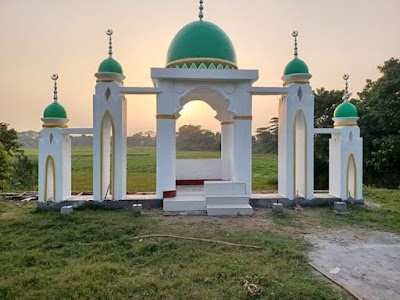
Riverine Island – Chor Sowany is a riverine island, locally known as a "char," located in Bangladesh. These formations are dynamic landmasses that emerge from riverbeds due to sediment deposition, constantly changing with the flow of the rivers. It represents a unique geographical feature shaped by the country's extensive river systems.
Why people come here
Local Life & Nature – People typically come here to experience the authentic rural riverine life of Bangladesh. It offers a glimpse into how communities adapt and thrive on these transient lands, relying heavily on agriculture and fishing. It's also a place for those seeking a tranquil natural environment away from urban bustle.
What to expect
Rustic & Peaceful – I find Chor Sowany to be a place with a very rustic and peaceful atmosphere. You can expect to see traditional village setups, simple dwellings, and agricultural fields. The crowd levels are generally low, consisting mostly of local residents. It's best suited for travelers interested in cultural immersion and natural landscapes rather than modern amenities.
Best time to go
Dry Season – The best time to visit Chor Sowany is generally during the dry season, which typically runs from October to March. During this period, the river levels are lower, making access easier and the weather more comfortable for exploration. The char is also more stable and visible during these months.
Practical info
Access & Simplicity – Access to Chor Sowany usually involves a boat ride from the nearest mainland. There are typically no formal facilities like designated tourist accommodations or restaurants, so visitors should plan accordingly. It's advisable to carry your own water and snacks. The environment is generally safe, but I always recommend respecting local customs and being mindful of the natural surroundings.
Good to know
Dynamic Landscape – It's important to remember that as a riverine island, Chor Sowany's landscape can change over time due to erosion and deposition. The exact size and shape of the char can vary with the seasons and annual floods. This dynamic nature is part of its unique charm and ecological significance.