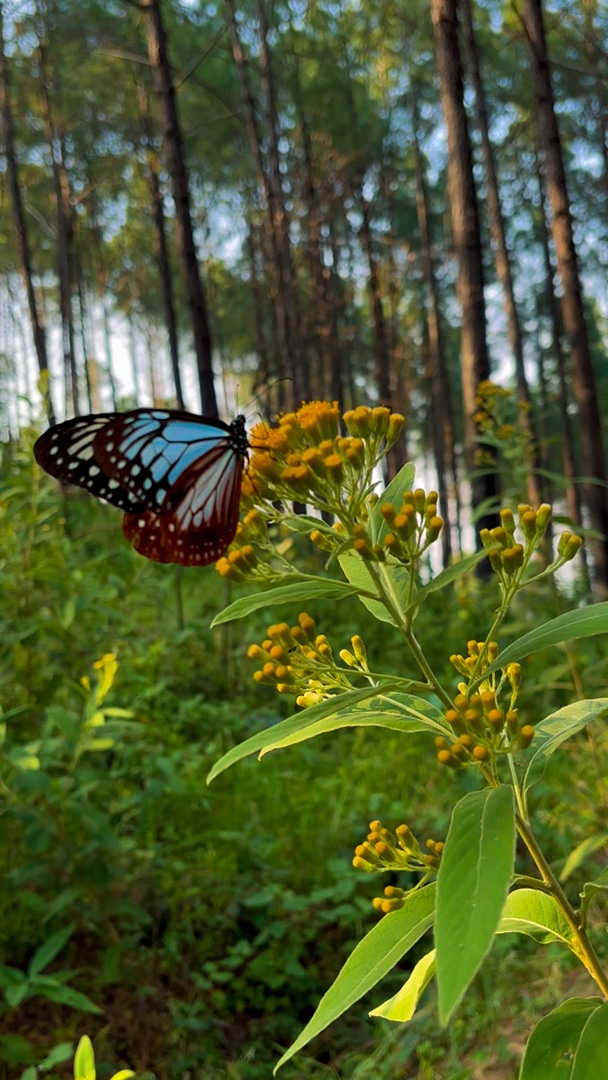
Himalayan Zoological Park – NiVU here! This is the Kufri Zoo, officially known as the Himalayan Nature Park, Kufri . It is a high-altitude zoological park nestled in the scenic hills of Kufri, near Shimla . It focuses on conserving and showcasing the rich biodiversity of the Western Himalayas.
Why people come here
Wildlife and Nature – Visitors typically come to Kufri Zoo to observe various animal species native to the Himalayan region in a natural habitat setting. It’s a popular spot for families and nature enthusiasts looking to connect with local wildlife and enjoy the tranquil mountain environment.
What to expect
Compact and Educational – You can expect a relatively compact zoo experience, often less crowded than larger city zoos, offering a peaceful atmosphere. The focus is on educational displays and providing a glimpse into the diverse fauna of the Himalayas. The air is crisp, and the views of the surrounding mountains are generally quite pleasant.
What to do here
Observe and Photograph – My recommendation is to take your time observing the animals, which often include species like the Himalayan Monal, barking deer, brown bear, and leopards. It’s a great opportunity for wildlife photography and learning about the unique adaptations of these high-altitude creatures.
Best time to go
Warmer Months – The best time to visit Kufri Zoo is generally during the warmer months, from April to October, when the weather is mild and pleasant for walking around. Animals are also typically more active during these periods. Early mornings or late afternoons can be ideal for avoiding crowds and seeing animals.
Practical info
Entry and Duration – There is typically an entry fee to access the park. I find that most visitors spend about 1 to 2 hours exploring the zoo at a leisurely pace. The terrain involves some walking on gentle slopes, so comfortable footwear is advisable. Basic facilities like washrooms are usually available.
Good to know
High Altitude Considerations – Situated at a high altitude, the weather here can change quickly, so it's wise to carry a light jacket even in warmer months. The zoo’s focus on indigenous species makes it a unique experience compared to conventional zoos.