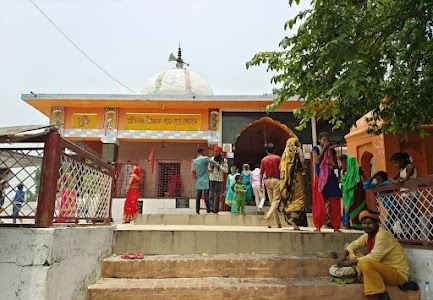
Pilgrimage Site – This is a revered Hindu pilgrimage site, often associated with a sacred body of water or a significant temple dedicated to a deity. I understand it serves as a place of devotion and spiritual solace for many.
Spiritual or cultural significance
Divine Connection – DeoKali Teerth holds deep spiritual significance for devotees, who believe it to be a place where prayers are answered and blessings are bestowed. It's often linked to ancient legends or specific religious practices, making it a focal point for faith in the region.
Why people come here
Spiritual Fulfillment – People typically visit this teerth for religious rituals, offering prayers, seeking blessings, and performing various ceremonies. Many come to experience a sense of peace and connect with their spiritual beliefs.
What to expect
Devotional Atmosphere – You can expect a serene and devotional atmosphere, often accompanied by the chanting of prayers and the aroma of incense. The surroundings are generally calm, though it can become quite vibrant during festivals. I find it's a place for quiet reflection.
Visitor etiquette
Respectful Conduct – When I visit, I recommend dressing modestly, covering your shoulders and knees, and removing your footwear before entering sacred areas. Maintaining silence or speaking softly is generally appreciated, and photography rules may vary, so it's good to observe local signs.
Practical info
Accessibility – Access to the site is generally straightforward, often involving a short walk from nearby roads. Timings for darshan (viewing of the deity) typically follow traditional temple hours, which can vary but are usually from early morning to late evening.
Good to know
Local Offerings – It is common to find local vendors near the teerth selling flowers, sweets, and other items used for offerings. Participating in these traditions can enhance your visit and connection to the local culture.