
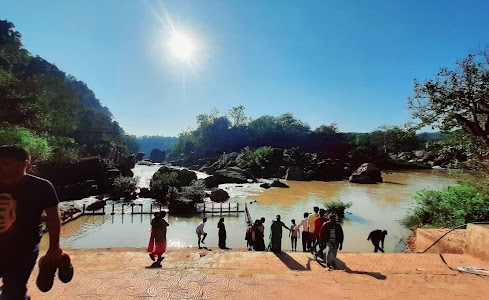



Gupteswar Temple, Putpandi, Odisha
What is this place?
Ancient Cave Temple – This is an ancient Hindu temple dedicated to Lord Shiva, nestled within a natural cave system. It's renowned for its unique naturally formed Shiva Lingam, which is considered a swayambhu (self-manifested) deity.Why people come here
Spiritual Pilgrimage – Many come for a spiritual pilgrimage to offer prayers and seek blessings from Lord Shiva. It's a significant site for devotees, especially during religious festivals. The temple's serene and natural setting also attracts those seeking peace and natural beauty.What to expect
Cave Experience – I find that visitors can expect a unique experience of descending into a cool, dimly lit cave to reach the main shrine. The atmosphere is generally devotional and tranquil, though it can become crowded during peak festival times. The surroundings offer a calm natural environment.Spiritual or cultural significance
Swayambhu Lingam – The temple holds deep spiritual significance due to its naturally formed Shiva Lingam, believed to be self-originated. It is a revered pilgrimage site, particularly for followers of Shaivism, and is often associated with legends and ancient lore of the region.Visitor etiquette
Modest Attire – As with most religious sites, I recommend dressing modestly and removing footwear before entering the temple premises. Maintaining silence and respecting the sanctity of the shrine is important, especially inside the cave. Photography rules might vary, so it’s good to observe local guidelines.Facilities for visitors
Basic Amenities – You'll typically find basic facilities such as parking areas and small shops selling puja items and refreshments outside the temple. There are usually designated spots for shoe storage. Accessibility might involve navigating steps and uneven surfaces to enter the cave.Best time to go
Cooler Months – I recommend visiting during the cooler months, generally from October to March, when the weather is pleasant for exploring the cave and its surroundings. Early mornings are often less crowded and offer a more serene experience.Practical info
Cave Access – Access to the main shrine involves descending a series of steps into the cave, so a moderate level of physical mobility is helpful. The duration of a visit typically ranges from 1 to 2 hours, allowing time for darshan and appreciating the natural setting.Good to know
Natural Surroundings – The temple is situated amidst dense forests and near the Kolab River, making it a picturesque location. The cave itself is known for its stalactite and stalagmite formations, adding to its natural wonder.