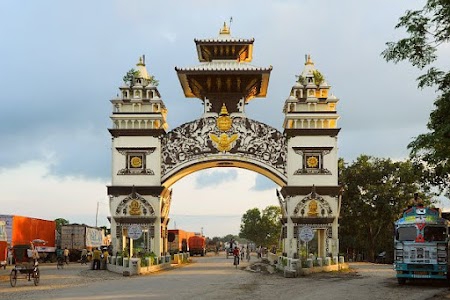
District Overview – Parsa is a district located in the southern Terai plains of Nepal, within Madhesh Province. I see it as a significant geographical and economic area, known for its fertile agricultural land and as a crucial gateway between Nepal and India. Its administrative center is the bustling city of Birgunj.
Why people come here
Trade & Transit – People primarily visit Parsa for its role as a major commercial and industrial hub. Its strategic border crossing at Birgunj makes it a crucial point for trade and transit between Nepal and India. Beyond commerce, I find that visitors also come to experience the local Madhesi culture and the extensive agricultural landscapes of the Terai plains.
What to expect
Vibrant Atmosphere – Expect a bustling atmosphere, especially in urban areas like Birgunj, with a blend of traditional and modern influences. The landscape is generally flat and fertile, dominated by agricultural fields. You'll encounter a rich cultural tapestry, influenced by both Nepali and Indian traditions. The climate can be hot and humid, particularly during the summer months.
Best time to go
Cooler Months – The cooler, dry months from October to March are generally the most comfortable for visiting Parsa. During this period, the weather is more pleasant for exploring the region and its urban centers, avoiding the intense heat and monsoon rains.
Practical info
Getting Around – The district is well-connected by road, especially to other parts of the Terai and to India. For local travel within towns, rickshaws and local buses are common modes of transport. The Nepali Rupee (NPR) is the local currency.
Good to know
National Park Access – Parsa district is home to a portion of the Parsa National Park , offering opportunities for wildlife viewing, though the park's main entrance and facilities might be in adjacent districts. Its strategic location makes it a key economic corridor for Nepal, facilitating a significant amount of the country's international trade.