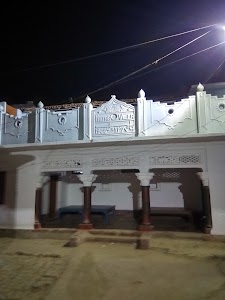
District Hub – I see Ballia as a significant district located in the eastern part of Uttar Pradesh, India. It's an administrative and cultural center known for its rich history and agricultural landscape. The city sits close to the confluence of the Ganges and Ghaghara rivers.
Why people come here
Historical Connection – People typically visit Ballia to explore its deep connections to India's independence movement. It’s also a destination for those interested in experiencing traditional rural life and local culture in the Gangetic plains.
What to expect
Traditional Vibe – Here, you can expect a generally calm, traditional atmosphere, reflecting its agricultural roots. The pace of life is typically slower than larger metropolitan areas, offering a glimpse into authentic regional life. You'll find local markets, historical sites, and natural landscapes.
Historical background
Rebel Legacy – Ballia holds a proud place in Indian history, often referred to as "Baghi Ballia" (Rebel Ballia) due to its strong involvement in the freedom struggle. Figures like Mangal Pandey and Chittu Pandey are associated with this region's revolutionary spirit. It was even declared independent for a short period during the Quit India Movement in 1942.
Good to know
Nature's Embrace – I find that Ballia is home to Surha Tal , a large freshwater lake which is a significant wetland and a haven for migratory birds during certain seasons. Another notable spot is the ancient Bhrigu Mandir , dedicated to the revered sage Bhrigu.
Practical info
Local Transport – Getting around Ballia generally involves local auto-rickshaws, cycle-rickshaws, or taxis. Connectivity to other cities is primarily via rail and road networks. While specific timings for sites vary, most local establishments typically operate during daylight hours.