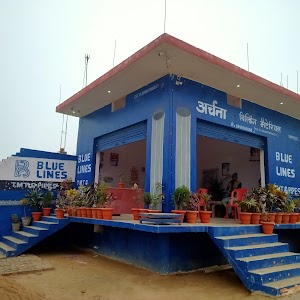
Historical City – Ghazipur is a city in the Indian state of Uttar Pradesh, located on the banks of the Ganges River . It serves as the administrative headquarters of the Ghazipur District and holds significant historical and cultural importance in the region.
Why people come here
History and Culture – People typically visit Ghazipur to explore its rich history, which includes connections to ancient empires and colonial rule. It's a place for those interested in historical architecture, religious sites, and understanding the cultural fabric of eastern Uttar Pradesh. Many also come for administrative purposes or to visit family.
What to expect
Historical and Bustling – I find Ghazipur to be a city with a blend of historical remnants and a bustling local life. You can expect to see ancient structures alongside modern developments. The atmosphere is generally lively, especially in market areas, and it offers a glimpse into traditional Indian life. It suits those who appreciate historical exploration and local experiences.
Best time to go
Cooler Months – The best time to visit Ghazipur is generally during the cooler months, from October to March. During this period, the weather is more pleasant for sightseeing and exploring the city's various attractions.
Practical info
Accessibility – Ghazipur is well-connected by road and rail. The city has a railway station, Ghazipur City Railway Station , and is accessible via various state highways. Local transport includes auto-rickshaws and cycle-rickshaws.
Good to know
Opium Factory – Ghazipur is home to one of the largest government opium factories in the world, the Government Opium and Alkaloid Works . While not typically open for general tourism, its presence is a unique historical and industrial aspect of the city.
Historical background
Ancient to Colonial – Ghazipur has a history stretching back to ancient times, with mentions in Hindu scriptures. It gained prominence during the medieval period and later became a significant administrative center during the British Raj. The city was notably associated with Lord Cornwallis , who served as the Governor-General of India and is buried here.
Key highlights
Monuments and Temples – Key highlights include the Tomb of Lord Cornwallis , a well-maintained monument reflecting colonial architecture. Other notable sites are the various ancient temples and ghats along the Ganges River , offering spiritual and scenic experiences.