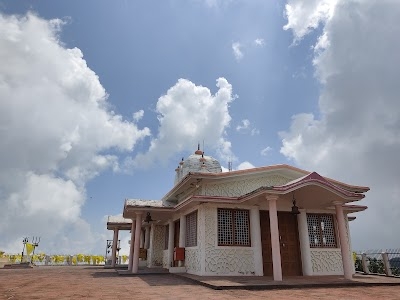
Thal Kedar Temple, Suntara Pokhari, Uttarakhand, India
What is this place?
Ancient Temple – This is an ancient Hindu temple dedicated to Lord Shiva, nestled in the serene hills of Uttarakhand. It's a significant pilgrimage site for devotees.
Why people come here
Spiritual Devotion – People primarily visit Thal Kedar Temple for religious worship, seeking blessings from Lord Shiva. Many also come for the peaceful atmosphere and the scenic beauty of its surroundings.
What to expect
Tranquil Atmosphere – I find that visitors can expect a serene and spiritual environment. The temple complex is relatively small but offers a tranquil experience, often with fewer crowds compared to larger pilgrimage sites. The journey to the temple itself involves some uphill walking.
Spiritual or cultural significance
Lord Shiva's Abode – Thal Kedar Temple is believed to be one of the places where Lord Shiva meditated. It holds immense spiritual importance, particularly during the festival of Maha Shivaratri. The temple is also associated with ancient legends and local folklore, making it a culturally rich destination.
Visitor etiquette
Respectful Conduct – When I'm here, I observe that visitors are expected to dress modestly, covering their shoulders and knees. Photography inside the main sanctum might be restricted, so it's always good to check for signs or ask local authorities. Maintaining silence and respecting the sanctity of the place is highly encouraged.
Best time to go
Pleasant Weather – The best time to visit is typically during the months of April to June and September to November. During these periods, the weather is pleasant for both pilgrimage and enjoying the natural beauty. Monsoons (July-August) can make the trek challenging due to slippery paths, and winters (December-March) can be very cold with occasional snowfall.
Practical info
Accessibility & Duration – The temple is accessible via a trek from the nearest road point. The walk is generally considered moderate. I'd say plan for at least 2-3 hours for the round trip trek and darshan (viewing of the deity). While specific timings may vary, temples in India generally open early in the morning and close by evening. There are usually no specific entry fees, but donations are welcome.
Good to know
Scenic Views – Beyond its spiritual significance, the temple offers breathtaking panoramic views of the surrounding Himalayan peaks and valleys, making the journey worthwhile for nature lovers too.