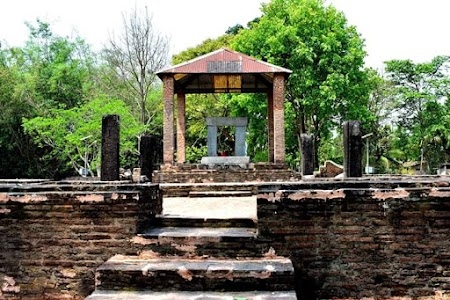
Ancient Ruins – I find this to be the site of ancient temple ruins, specifically an archaeological site known for its remarkably preserved door frame. It offers a glimpse into the rich architectural heritage of early medieval Assam.
Why people come here
Historical Insight – People typically visit here to explore the remnants of a 6th-century brick temple. It's a destination for those interested in ancient Indian art, architecture, and the historical evolution of religious structures in the region.
What to expect
Quiet Reflection – Here, you can expect a serene and contemplative atmosphere. The site is relatively small, centered around the excavated ruins and the famous door frame, offering a peaceful experience for history enthusiasts and art lovers.
Historical background
Gupta Era – This site holds the remains of one of the earliest known temples in Assam, dating back to the 6th century A.D. The temple is believed to have been dedicated to the Hindu deity Vishnu and showcases distinct influences from the Gupta period, a golden age of Indian art and architecture.
Key highlights
Intricate Doorway – The primary highlight here is the exquisitely carved stone door frame. I've noted its intricate details, including figures of Ganga and Yamuna at the base, along with beautiful floral patterns and divine beings, all indicative of sophisticated craftsmanship from centuries past.
Best time to visit
Cooler Months – I suggest visiting during the cooler, drier months, typically from October to March. The weather during this period is generally more pleasant for exploring the outdoor site.
Practical info
Short Visit – A visit here usually takes around 30 minutes to an hour, allowing enough time to appreciate the carvings and the historical context. The site is managed by the Archaeological Survey of India (ASI). It's located near Tezpur , and reaching it usually involves a short drive from the town center.