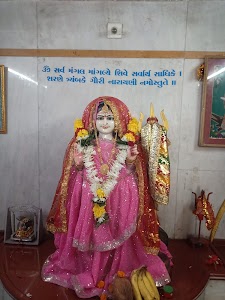
Temple – This is a Hindu temple dedicated to Goddess Khodiyar Maa, a revered deity particularly significant in Gujarat, India. I see it as a spiritual center for devotees seeking blessings and offering prayers.
Spiritual or cultural significance
Devotion – Khodiyar Maa is widely worshipped as a protective mother goddess. Many visitors come here to offer prayers, seek blessings, and express their gratitude, believing she grants wishes and provides protection. I find the temple plays a central role in local cultural and religious practices.
Why people come here
Worship – People primarily visit this temple for worship, to perform traditional rituals, offer prayers, and participate in religious ceremonies. It serves as a place for spiritual solace and community gathering.
What to expect
Serenity – I observe that visitors can generally expect a serene and devotional atmosphere here. The temple often sees a steady flow of devotees, particularly on auspicious days or during festivals. It's a place conducive to quiet reflection and prayer.
Visitor etiquette
Respect – As is customary at most religious sites, I recommend dressing modestly, ensuring shoulders and knees are covered. It's wise to look for signs regarding photography rules or inquire locally, as these can vary. Maintaining a respectful demeanor and a quiet environment is always appreciated.
Practical info
Visit – Temple timings typically vary, but they are generally open from early morning until late evening. I advise checking local schedules upon your arrival for the most accurate information. Expect to remove your footwear before entering the main sanctum.
Facilities for visitors
Basic – From what I gather, you can usually find basic facilities such as designated shoe storage areas and possibly donation counters. Parking may be available nearby, but it could be limited, especially during peak visiting times.
Good to know
Festivals – I've noted that the temple often becomes a vibrant and bustling hub during festivals dedicated to Khodiyar Maa, drawing a significantly larger congregation. These periods offer a unique cultural experience, though they also mean more crowds.