
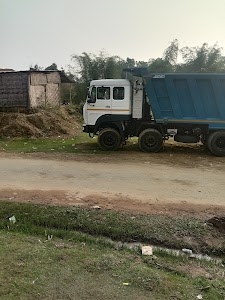



Jhapirbond Pt II, Assam, India
What is this place?
Locality Overview – This is a locality situated in the Cachar district of the northeastern Indian state of Assam. It is part of the broader regional landscape, characterized by its natural surroundings and local community life. You'll find it nestled within an area that reflects the typical rural charm and environment of the region.Why people come here
Local Experience – People typically come here to experience local life, visit family, or as part of a journey exploring the wider Cachar district. It offers a glimpse into the everyday rhythm of a rural Assamese community, away from bustling city centers.What to expect
Quiet Atmosphere – Here’s what you can expect: a generally peaceful and quiet atmosphere, typical of a rural setting. You'll likely encounter local residents going about their daily routines. The surroundings are often green, with fields and natural vegetation contributing to a tranquil environment. It’s a place for those seeking a calm respite rather than a tourist hotspot.Best time to go
Cooler Months – The best time to visit this region, including Jhapirbond Pt II, is generally during the cooler, dry months. This typically spans from October to March, when the weather is more pleasant and comfortable for travel and exploration. The monsoon season (June to September) brings heavy rainfall, which can sometimes affect local travel.Practical info
Local Transport – Access to Jhapirbond Pt II is primarily via local roads. You might rely on local transportation options like auto-rickshaws or shared jeeps from nearby towns. It's a good idea to check local transport availability and timings, as services can be less frequent compared to urban areas. Accessibility might involve navigating unpaved or less-maintained roads, especially during the monsoon.Good to know
Regional Culture – As part of Assam, this area shares in the rich cultural heritage of the state. You might observe traditional Assamese customs and practices. The local language spoken is primarily Bengali, given its location in the Barak Valley, alongside Assamese. It’s an opportunity to connect with the authentic regional culture and hospitality.