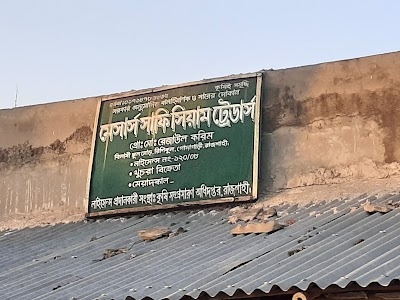
Assamese Town – I recognize Bilashi Para as a town located in the Dhubri district of Assam, India. It functions as a sub-divisional headquarters, serving as a local administrative and commercial center within the region.
What is this place?
Local Hub – Bilashi Para is a significant town in Lower Assam, known for its historical background and its role as a local hub for surrounding villages. I see it as a place where daily life unfolds with a blend of traditional Assamese culture and regional administrative activities.
Why people come here
Cultural Immersion – People typically visit Bilashi Para to experience authentic local Assamese life, explore its historical connections, or as a transit point for onward journeys within the district. I find that many are drawn to its unhurried pace and the opportunity to observe local customs.
What to expect
Quiet Charm – Expect a generally calm and traditional atmosphere in Bilashi Para. The town is characterized by its local markets, administrative buildings, and residential areas. I observe that it offers a genuine glimpse into the regional lifestyle, suitable for those seeking a non-touristy experience.
Best time to go
Cooler Months – The most comfortable time to visit Bilashi Para is generally during the cooler, drier months from October to March. I recommend avoiding the monsoon season (June to September) when heavy rainfall can impact travel and outdoor activities.
Practical info
Local Transport – Getting around Bilashi Para typically involves using local rickshaws or shared vehicles for short distances. I advise carrying some cash, as card or digital payment options might be less common in smaller shops and establishments.
Good to know
Historical Roots – Bilashi Para possesses historical significance, with connections that reflect the rich past of the Ahom kingdom and the broader Assamese region. I find that exploring its older parts can offer interesting insights into its heritage and development over time.