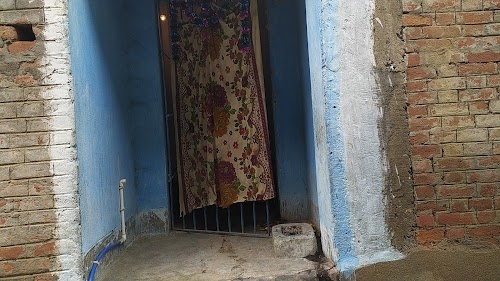
Hindu Temple – This is a Hindu temple primarily dedicated to Lord Shiva, one of the principal deities of Hinduism. It serves as a sacred space for devotees to offer prayers, perform rituals, and seek spiritual solace.
Spiritual or cultural significance
Devotion – As a Shiv temple, it holds significant religious importance for followers of Shaivism. Devotees often visit to worship the Shiva Lingam, a symbolic representation of Lord Shiva, and participate in various religious ceremonies. It's a place for spiritual reflection and community gathering.
What to expect
Peaceful Atmosphere – You can generally expect a peaceful and reverent atmosphere. Visitors typically come for personal prayer, meditation, or to observe religious practices. The crowd levels can vary, often being higher during festivals or auspicious days.
Best time to go
Morning/Evening – The temple is typically most active during the early morning and evening hours when daily rituals (aarti) are often performed. Visiting during these times might offer a more immersive experience, though it could also be busier.
Visitor etiquette
Respectful Conduct – When visiting, it's customary to dress modestly, covering shoulders and knees. Photography rules may vary, so it's wise to observe local signs or ask. Removing footwear before entering the main shrine area is a common practice. Maintaining a quiet and respectful demeanor is appreciated.
Practical info
Basic Facilities – Temples generally offer basic facilities. You might find areas for leaving shoes, and there may be provisions for offerings. Accessibility can vary, so it's good to be prepared for steps or uneven surfaces typical of older structures.
Good to know
Offerings – Many visitors bring offerings such as flowers, milk, or water to present to the deity. While not mandatory, participating in these traditions can enhance your visit. Exploring the temple's architecture or any smaller shrines within the complex can also be interesting.