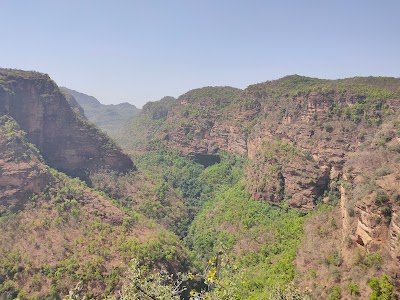
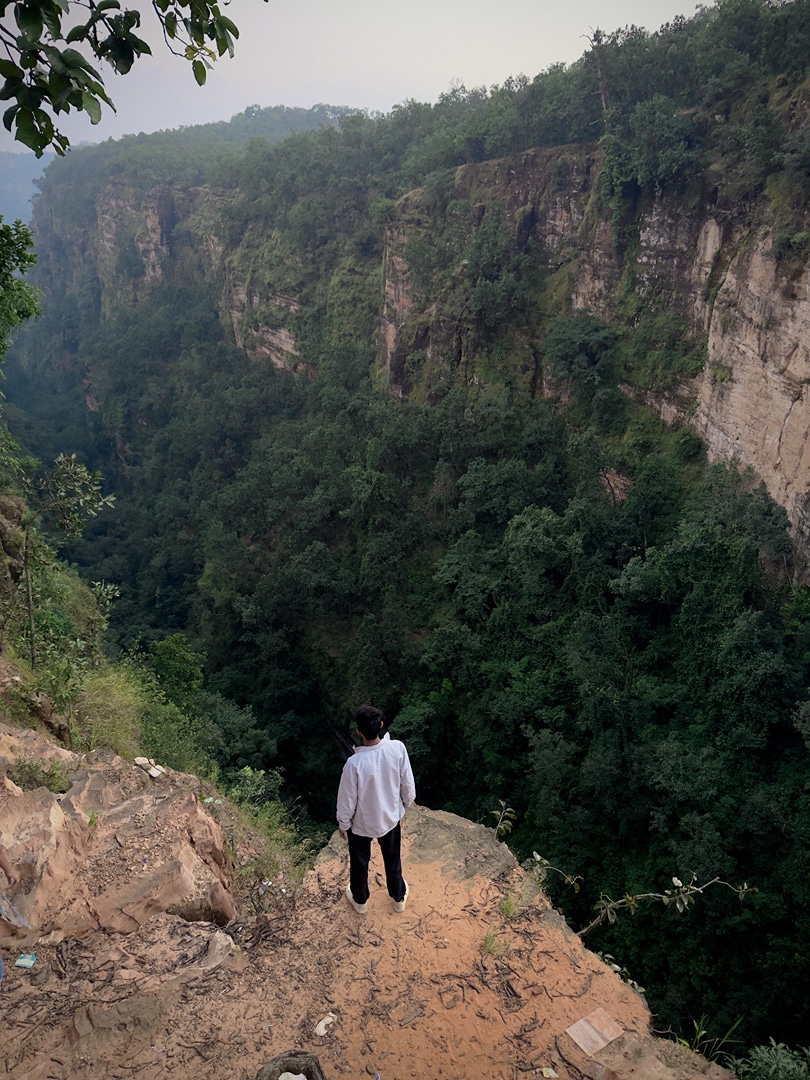
Hill Station – I see Panchmarhi as a serene hill station nestled in the Satpura Range of Madhya Pradesh. It is known for its lush greenery, ancient caves, and numerous waterfalls, offering a tranquil escape from city life. Its unique ecosystem contributes to its designation as a biosphere reserve.
Why people come here
Nature Escape – People typically visit Panchmarhi to immerse themselves in nature’s beauty, explore its historical caves and colonial-era architecture, and enjoy the pleasant climate. It’s a popular destination for those seeking adventure, relaxation, and a connection with the natural world.
What to expect
Scenic Serenity – Here, you can expect a calm and picturesque environment with abundant natural beauty. The atmosphere is generally peaceful, though some popular spots can draw moderate crowds, especially during peak seasons. It suits families, nature enthusiasts, trekkers, and those interested in history.
What to do here
Explore & Trek – I find that visitors often engage in activities like trekking to waterfalls such as Bee Falls and Duchess Falls . You can also explore ancient rock-cut caves like Pandav Caves , visit viewpoints like Priyadarshini Point for panoramic views, and witness sunsets from Dhoopgarh , the highest point in Madhya Pradesh.
Best time to go
Post-Monsoon Winter – The ideal time to visit Panchmarhi is generally from October to March. During these months, the weather is pleasant, and the waterfalls are full after the monsoon, making it perfect for outdoor activities and sightseeing. Summers can be warm, and monsoons bring heavy rainfall.
Practical info
Accessibility & Safety – Access to Panchmarhi is typically by road, with the nearest railway station being Pipariya . Some natural attractions involve walking or moderate trekking on uneven terrain, so comfortable footwear is advisable. Always be mindful of natural surroundings and follow local guidelines for safety.
Good to know
Biosphere Reserve – Panchmarhi is part of the Pachmarhi Biosphere Reserve , recognized by UNESCO for its rich biodiversity, including rare flora and fauna. It also holds historical significance from the British colonial era, evident in its architecture and established hill station status.