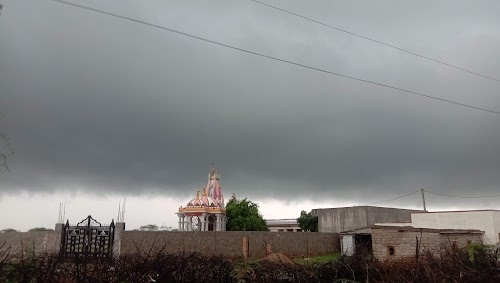
Ancient Temple – I see Muleshwar Mahadev is an ancient Hindu temple dedicated to Lord Shiva, located in the village of Padan, Gujarat. It's a place of worship and spiritual significance for devotees.
Why people come here
Spiritual Devotion – People primarily visit Muleshwar Mahadev for spiritual reasons, to offer prayers to Lord Shiva, seek blessings, and participate in religious ceremonies. Many come for peace and solace.
What to expect
Peaceful Atmosphere – You can expect a serene and devotional atmosphere at Muleshwar Mahadev. It's generally a peaceful place, though it can get crowded during festivals or special prayer days. The environment is suitable for quiet contemplation and spiritual reflection.
Spiritual or cultural significance
Lord Shiva's Abode – Muleshwar Mahadev holds significant religious importance as a temple dedicated to Lord Shiva. It's believed to be an ancient site where devotees have worshipped for generations, connecting them to a rich cultural and spiritual heritage. The temple serves as a focal point for local religious practices and community gatherings.
Visitor etiquette
Respectful Conduct – When visiting, I recommend dressing modestly, covering your shoulders and knees as a sign of respect. Photography might be restricted in certain areas, so it's always good to observe signs or ask. Maintaining silence or speaking softly is appreciated, especially within the main temple area, to preserve the sanctity of the place. Removing your footwear before entering the inner sanctum is customary.
Practical info
General Timings – The temple typically opens early in the morning and closes in the evening, with a possible midday break. I suggest checking local timings upon arrival as they can vary. Duration of visit depends on individual devotion, but most visitors spend about 30 minutes to an hour here.
Good to know
Local Landmark – Muleshwar Mahadev is not just a place of worship but also a significant local landmark in Padan, often serving as a gathering point for the community during religious festivals. It provides a glimpse into the local culture and religious traditions of Gujarat.