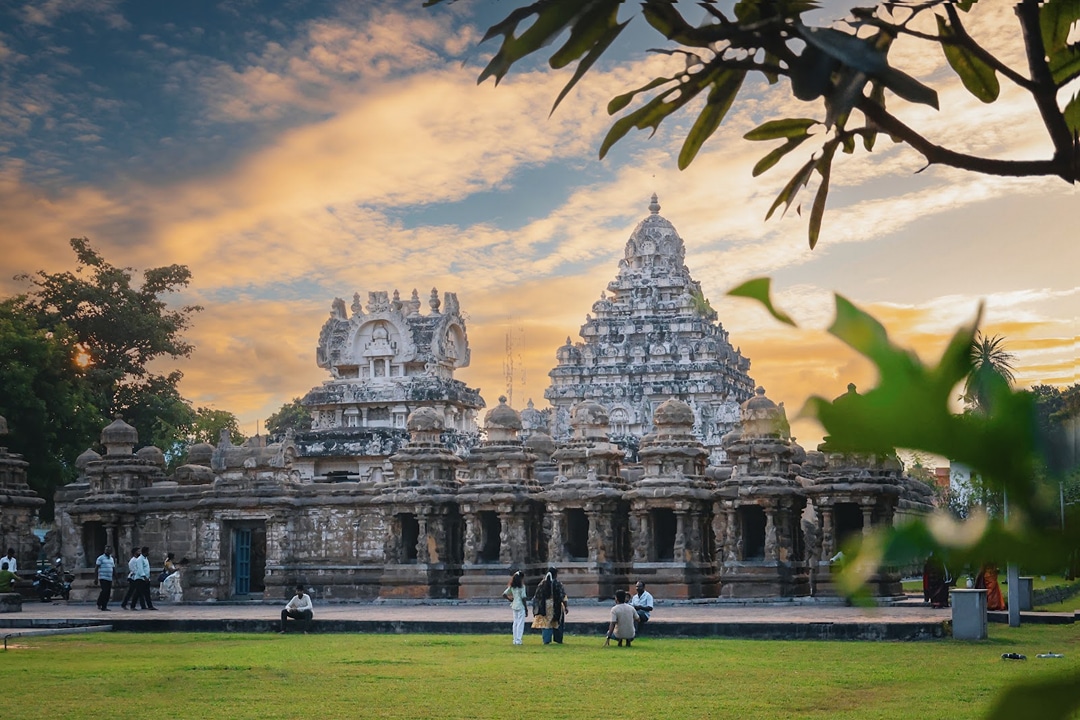
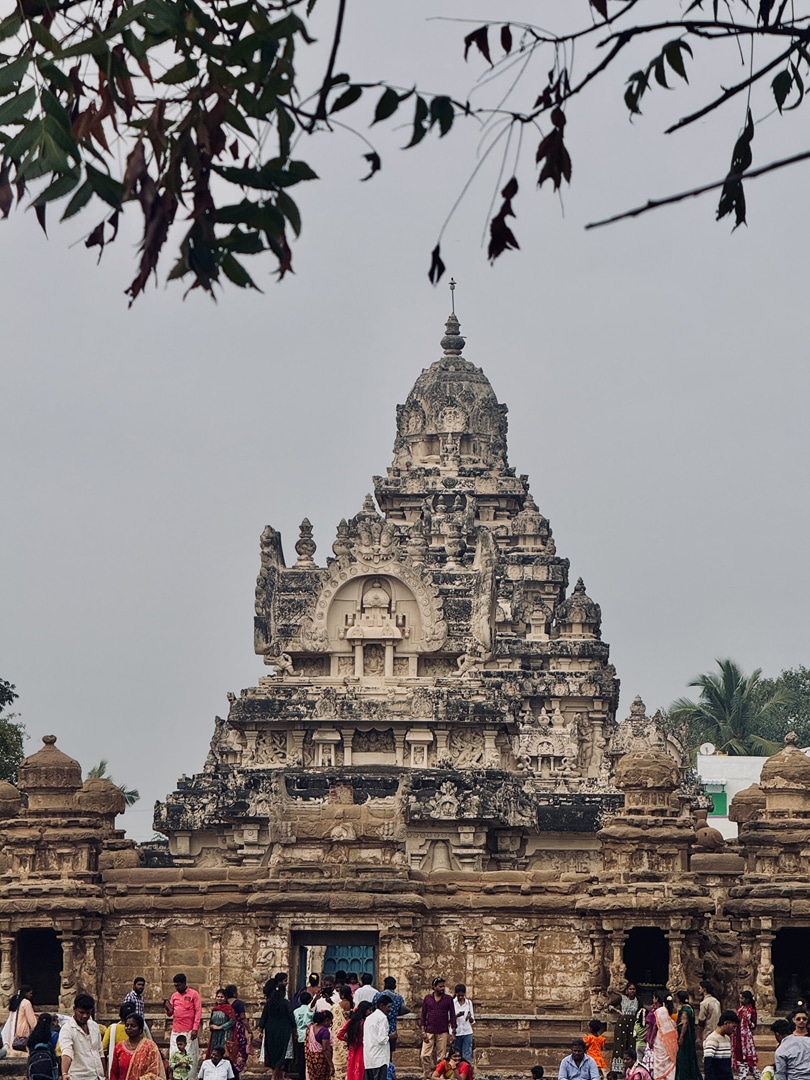
Ancient Temple – This is an ancient Hindu temple dedicated to Lord Shiva, located in the historic city of Kanchipuram . It is renowned as one of the oldest and most significant structural temples in South India.
Why people come here
Heritage & Devotion – People visit this temple primarily for its profound spiritual significance as a place of worship for Lord Shiva and to marvel at its exceptional historical and architectural heritage.
What to expect
Peaceful Exploration – I find that visitors can expect a serene and contemplative atmosphere. The temple complex is generally quiet, allowing for unhurried exploration of its intricate carvings and ancient structures. It's ideal for history buffs, architecture enthusiasts, and spiritual seekers.
Spiritual and Historical Significance
Pallava Legacy – The Kailasanathar Temple is a masterpiece of early Dravidian architecture, built by the Pallava king Rajasimha (Narasimhavarman II) in the early 8th century CE. It served as a blueprint for many later South Indian temples, showcasing the artistic and engineering prowess of the Pallava dynasty. Spiritually, it's a revered site for Shaivites.
Key Highlights
Intricate Carvings – The temple is celebrated for its exquisite sandstone sculptures, depicting various forms of Shiva, other deities, and mythological scenes.
Circumambulatory Passage – I recommend observing the unique narrow circumambulatory passage around the main shrine, which devotees crawl through as a ritual.
Early Frescoes – Look out for remnants of ancient frescoes on the inner walls, offering a glimpse into early Indian mural art.
Vimana & Mandapas – The towering vimana (temple tower) and the numerous smaller shrines (mandapas) within the complex are architectural marvels.
Visitor Etiquette
Respectful Conduct – As a religious site, I advise visitors to dress modestly, covering shoulders and knees. Shoes must be removed before entering the main temple complex. Maintaining a respectful silence is also appreciated.
Practical Info
Morning/Evening Visits – The temple is generally open from early morning to noon and then from late afternoon to evening. I find that visiting during these times, especially in the cooler months, offers the most comfortable experience. You'll typically need about 1 to 2 hours to fully explore the temple and appreciate its details.