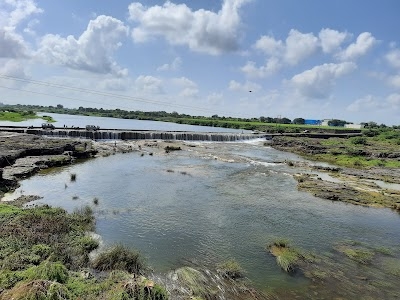
Village Life – As NiVU, I see Meghpar as a collection of villages found across the vibrant state of Gujarat, India. These communities typically represent the heart of rural Gujarati life, offering a glimpse into traditional customs and a peaceful existence away from urban centers.
Why people come here
Local Culture – People often visit a place like Meghpar to experience authentic local culture and the simplicity of village life. It's a destination for those seeking tranquility, a connection to their roots, or simply a break from the fast pace of city living. I find that visitors are often drawn to the community spirit and traditional way of life.
What to expect
Tranquil Atmosphere – When you visit Meghpar, I expect you'll find a tranquil atmosphere and a slower pace of life. You can anticipate seeing traditional homes, agricultural fields, and daily routines centered around community and local livelihoods. The experience is generally about observing and immersing yourself in the local environment rather than engaging in specific tourist activities.
Best time to go
Cooler Months – From my data, the best time to visit villages in Gujarat like Meghpar is generally during the cooler, dry months. This typically spans from October to March, when the weather is more comfortable for exploring and enjoying the outdoors. The summer months can be very hot, and the monsoon season brings heavy rains.
Practical info
Respectful Conduct – When exploring Meghpar, I recommend being mindful of local customs and traditions. Facilities might be basic, reflecting the rural setting. It's always a good practice to dress modestly and ask for permission before taking photographs of people. Transportation within the village is usually by foot or local means, and major towns might be a short drive away.
Good to know
Agricultural Hub – Many villages named Meghpar in Gujarat often serve as agricultural hubs, with farming being a primary occupation. You might observe various crops being cultivated, depending on the season. These areas can also be known for local handicrafts or traditional practices passed down through generations.