
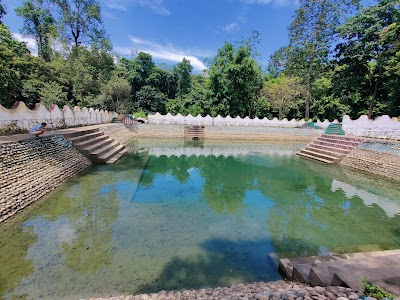



Garampani Wildlife Sanctuary (Langkar-Om Eco Park)
What is this place?
Protected Area – This is a unique wildlife sanctuary located in the Karbi Anglong district of Assam, India. It's renowned for its natural hot springs, which give it the name "Garampani" (meaning 'hot water' in Assamese). It's also known as Langkar-Om Eco Park, highlighting its ecological significance.Why people come here
Nature & Springs – People typically visit this sanctuary to experience its distinctive natural hot springs, believed by many to have medicinal properties. It's also a draw for nature enthusiasts and wildlife lovers looking to explore the region's diverse flora and fauna, particularly its avian species.What to expect
Tranquil & Natural – I find a serene and relatively untouched natural environment here. You can expect lush green landscapes, the soothing sound of nature, and the unique experience of natural hot springs. The atmosphere is generally calm, making it suitable for those seeking a peaceful retreat.What to do here
Explore & Relax – Here, you can immerse yourself in nature. Many visitors enjoy bathing in the natural hot springs, which are the main attraction. It's also a good spot for birdwatching, with various species inhabiting the area, and for enjoying peaceful nature walks along designated trails.Best time to go
Cooler Months – The ideal time to visit is generally during the cooler, dry months, typically from October to March. During this period, the weather is more pleasant for outdoor activities and exploring the sanctuary. The monsoon season (June to September) can make access challenging due to heavy rainfall.Practical info
Access & Safety – Access to the sanctuary is usually by road, and the conditions can vary. I recommend wearing comfortable walking shoes, especially if you plan to explore the trails. Facilities within the sanctuary are basic, so it’s wise to carry your essentials. Always be mindful of your surroundings in a wildlife area.Good to know
Unique Ecosystem – This sanctuary is one of the oldest in Assam and stands out due to its sulfur-rich hot springs, a rare geological feature. It supports a mix of tropical evergreen and semi-evergreen forests, home to various mammals, reptiles, and a significant number of bird species, making it a unique biodiversity hotspot.