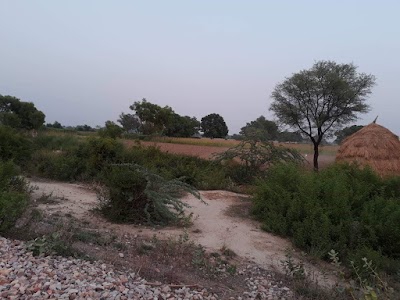
Functional Crossing – This refers to a point where a road intersects with railway tracks without the presence of a human gatekeeper or automated barriers to control road traffic. These crossings are typically found in less populated areas or on roads with lower traffic volume.
Why people come here
Passage Necessity – People use unmanned railway level crossings primarily as a necessary route to traverse railway lines. They serve as essential connectors for local communities, farmers, and travelers, linking villages, fields, and various destinations where alternative routes might be significantly longer or non-existent.
What to expect
High Vigilance – When approaching an unmanned railway level crossing, I encourage you to expect a situation that demands your utmost attention and personal responsibility. There are no automatic signals, gates, or staff to guide you, so you must rely entirely on your own observation and judgment.
Practical info
Safety First – My top advice is to always prioritize safety. Before crossing, it is crucial to stop your vehicle, look carefully in both directions along the tracks, and listen intently for any approaching trains. Assume a train could come at any time, from either direction.
Tips for a smoother experience
Cautious Approach – For a smoother and safer experience, reduce your speed significantly as you approach the crossing. Ensure your vehicle is in a low gear if applicable, and be prepared to stop. Avoid any distractions like mobile phones or loud music.
Good to know
Legal Responsibility – It's important to know that drivers and pedestrians bear the full legal responsibility for ensuring a safe crossing at these locations. Authorities in India have been actively working to eliminate or convert unmanned crossings into manned or over/underpass structures to enhance safety across the railway network.