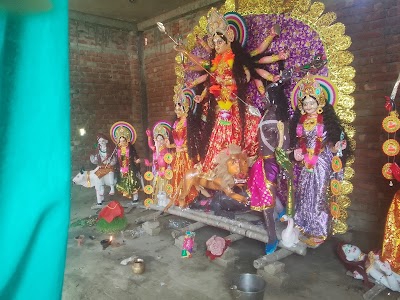
Divine Mother – This is a Hindu temple primarily dedicated to Goddess Durga, a powerful deity revered as the divine mother and protector in Hinduism. It holds significant spiritual and cultural value for the local community, serving as a central place for worship, religious ceremonies, and social gatherings within the Koshi Flood Zone. The temple often symbolizes resilience and faith for residents in this geographical area.
Why People Come Here
Worship & Blessings – People typically visit this temple to offer prayers, perform rituals, and seek blessings from Goddess Durga. It is a focal point for devotees, especially during major Hindu festivals, who come to express their devotion and participate in communal celebrations.
What to Expect
Devotional Atmosphere – I find that you can generally expect a serene and devotional atmosphere here, particularly during prayer times. The temple's environment might be simpler, reflecting its location, and crowd levels can vary significantly, becoming quite bustling during festivals and special pujas. It’s a place for quiet reflection as well as vibrant community participation.
Best Time to Go
Festivals & Mornings – The temple is often most vibrant and active during Hindu festivals, especially Navaratri and Durga Puja. For general worship, mornings and evenings are typically preferred. It might be wise to consider local weather patterns, especially during the monsoon season, given its location in a flood zone.
Practical Information & Facilities
Open Daily – Temples like this are generally open daily, usually from early morning to late evening, sometimes with a midday closing period. Facilities here are typically basic, including designated areas for shoe storage and donation boxes. Washrooms might be limited. Parking is often informal, such as street parking or a small, unpaved area nearby. Accessibility might depend on local road conditions, which can be affected by weather.
Visitor Etiquette
Respectful Conduct – When visiting, it is customary to dress modestly, covering shoulders and knees as a sign of respect. Removing footwear before entering the main shrine area is standard practice. While photography rules can vary, it is always respectful to ask for permission, especially if you plan to photograph people or ongoing rituals. Maintaining a calm and quiet demeanor is appreciated.